Lifetime Citizen Portal Access — AI Briefings, Alerts & Unlimited Follows
Lawmakers probe emergency-alert failures after Los Angeles wildfires
Loading...
Summary
A joint legislative hearing examined failures and delays in California's emergency alert system during recent Los Angeles-area wildfires, hearing testimony from Cal OES, local law enforcement, and third‑party apps about causes, gaps, and steps the state can take to restore public trust.
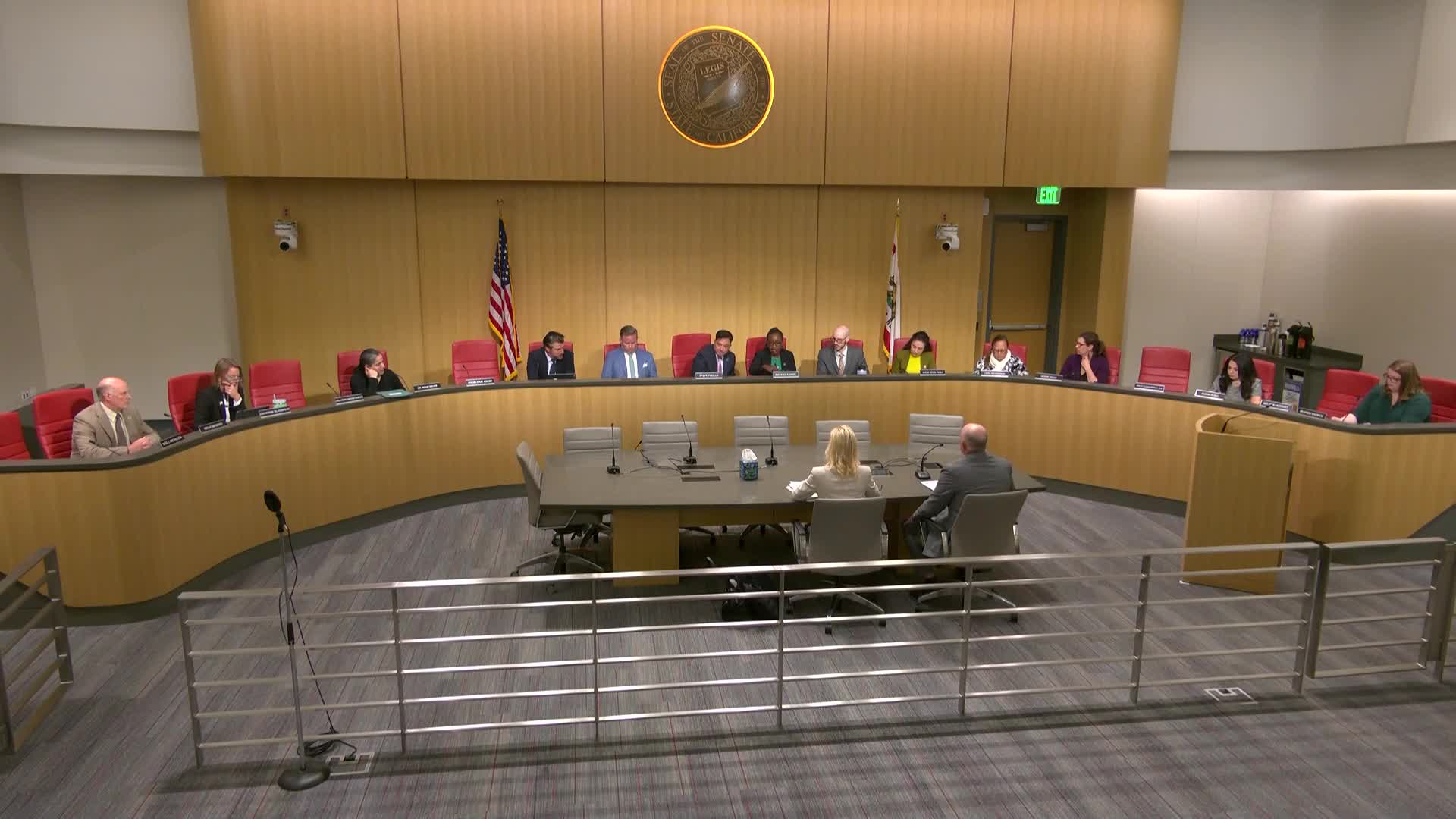
A joint informational hearing of the Senate Committee on Governmental Organization, the Joint Legislative Committee on Emergency Management and the Assembly Committee on Emergency Management convened Tuesday to examine problems with California's emergency alert system after recent Los Angeles–area wildfires that officials say contributed to delayed or misdirected notifications.
Lawmakers pressed the California Governor's Office of Emergency Services on why an evacuation alert intended for Kenneth Fire residents was “mistakenly sent to 10,000,000 other residents in Los Angeles County,” and asked what redundancies, training, and testing are in place to prevent similar errors. Assemblymember Ransom, speaking in opening remarks, said the January 9 alert “was mistakenly sent to 10,000,000 other residents, in Los Angeles County.”
The hearing focused on how state systems (including FEMA's Integrated Public Alert and Warning System, IPAWS), local alerting authorities, and third‑party providers such as WatchDuty and Rave interact during fast‑moving incidents. Erica Baker, assistant director for headquarters response at Cal OES, outlined the state's role: supporting local jurisdictions with guidance, training and access to IPAWS, running the State Warning Center 24/7, and updating statewide alert guidelines (revised May 2024) to better include access and functional needs communities. “A comprehensive alert and warning program is a critical component of a community's ability to effectively respond to an emergency,” Baker said.
Several legislators described on‑the‑ground confusion during the Eaton/Palisades fires. Sen. Stern, chairing the joint committee, described relying on a third‑party aggregation app and urged blending technology-driven, citizen‑facing tools with official channels. Sen. Rubio and Sen. Perez detailed constituent complaints that some neighborhoods received late or no evacuation notices; Perez said initial reporting showed 17 deaths concentrated on West Altadena and stressed how delayed nighttime notices can be fatal for elderly residents.
Cal OES officials said local governments remain primary alert originators because they “know best their ingress and egress routes,” but the state can step in to send alerts on a jurisdiction's behalf when requested. David Meyer, identified as a Cal OES alert program manager, said the State Warning Center and the Alert and Warning Program monitor testing and can provide technical assistance. He noted IPAWS members must test systems every 30 days and that Cal OES maintains a readiness profile for 56 local alerting authorities in California.
Local officials and private providers told legislators why gaps persist. Sheriff Eric Taylor of San Benito County said differing local platforms, sparse cellular coverage in rural areas, and the cost of subscription services complicate unified messaging. Nick Russell, vice president of operations at WatchDuty, described the nonprofit's volunteer‑driven monitoring and mapping tools that provided early, granular situational awareness during the Southern California fires. “Families have literally credited WatchDuty alerts with saving their lives,” Russell said, and he described spikes in demand: nearly 2.9 million additional downloads in 48 hours during the Palisades and Eaton fires.
Lawmakers raised several recurring concerns: small jurisdictions often have limited staff (sometimes one person) responsible for both activating alerts and managing other communications; jurisdictional boundaries create adjacent neighborhoods receiving different messages at different times; message fatigue from frequent or broad alerts can lead residents to ignore warnings; and many residents lack consistent access to smartphones, multilingual communications, or other means of receiving alerts.
Committee members asked Cal OES to provide follow‑up information. Assemblymember Ransom and Sen. Richardson requested that Los Angeles County's after‑action report be presented to the committees when complete and asked Cal OES to identify the state budget line(s) funding the alert program. Cal OES said it would work with Los Angeles County on the after‑action review and that it could analyze the cost of any statewide system but did not provide a dollar figure during the hearing.
Witnesses and lawmakers also discussed existing tools and practices: the state encourages use of Rave (provided free to public safety entities under existing tariffs) for mass notifications and noted commercial platforms such as Zonehaven for geospatial zone mapping; FEMA requires alert originators to complete training for IPAWS access; and Cal OES recently updated statewide alert guidelines to emphasize accessibility and best practices.
Members of the public offered brief comments. Christina DeCaro, representing a partnership between SpectraRep and public broadcasters, described an early warning system for earthquakes and said the group seeks to expand redundancy for fires, floods and high‑wind events. Will Abrams, representing wildfire survivors from PG&E fires, urged attention both to alerting and to previous legislative commitments to survivors (he cited AB 1054) as lawmakers consider utility accountability and community recovery.
The committees did not take formal votes. Lawmakers said they will pursue additional information from Cal OES and Los Angeles County, and asked agencies and vendors to provide technical details on testing compliance, training rosters for alert originators, and cost estimates for potential statewide solutions.
The hearing adjourned after lawmakers said they would submit follow‑up questions to witnesses and request the Los Angeles‑area after‑action materials when available.