Get Full Government Meeting Transcripts, Videos, & Alerts Forever!
Leesburg commission rejects wide one‑way conversion, endorses traffic study recommendations with conditions
Summary
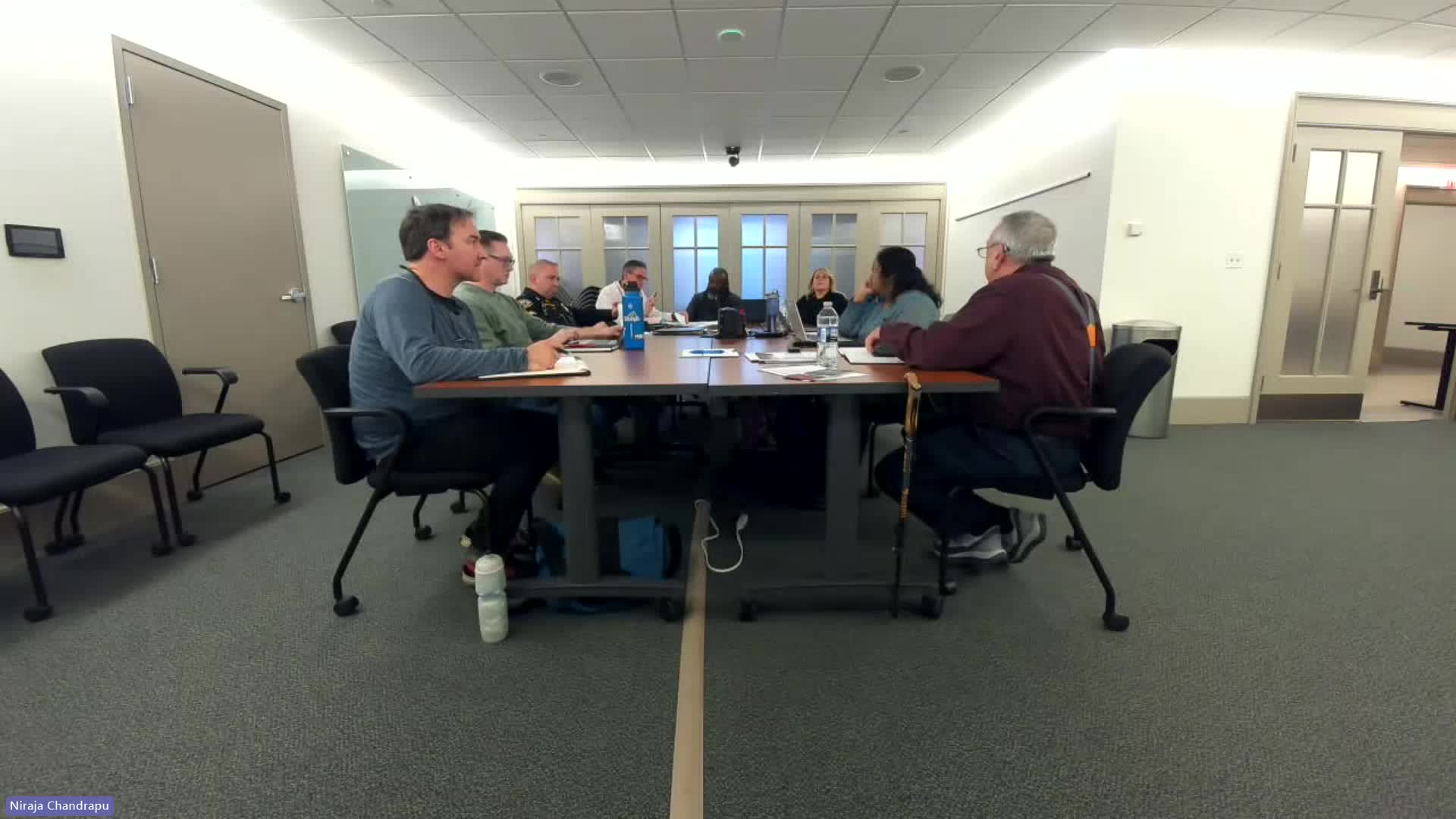
The Leesburg Traffic & Safety Commission on a special meeting reviewed a consultant traffic study of downtown circulation and safety and voted to decline the study's Build Option 1 (a Market/Loudoun one‑way conversion) while approving the study's low‑cost safety recommendations and a set of narrower one‑way conversions and street modifications.
The Leesburg Traffic & Safety Commission on a special meeting reviewed a consultant traffic study of downtown circulation and safety and voted to decline the study's Build Option 1 (a Market/Loudoun one‑way conversion) while approving the study's low‑cost safety recommendations and a set of narrower one‑way conversions and street modifications.
The commission's action came after a multihour presentation and debate about pedestrian safety, emergency response access and business visibility in the historic downtown. A motion to "decline on building option 1" passed; commissioners later approved a motion that the commission "has approved the recommendations with our comments," endorsing the consultant's package of proposed improvements but asking staff to follow up on specific concerns.
Why it matters: the study laid out potential safety and operational tradeoffs for converting Market Street (westbound) and Loudoun Street (eastbound) to a paired one‑way couplet. The consultant said the conversion would likely improve flow and reduce some turning conflicts but also "increase vehicle speeds," reduce business visibility on the affected corridors and could raise "the severity of crashes" when they occur. The report included a planning‑level cost estimate for full conversion of roughly "$6 to $7 million." Commissioners concluded the net effect in the downtown historic area would be negative and voted to decline Build Option 1.
What the commission decided and why: commissioners emphasized pedestrian safety and emergency access. The presenter summarized specific concerns: narrow historic streets that could divert traffic onto residential side streets, queue spillback at intersections already lengthened by recently implemented lead pedestrian intervals (LPI), and an…
Already have an account? Log in
Subscribe to keep reading
Unlock the rest of this article — and every article on Citizen Portal.
- Unlimited articles
- AI-powered breakdowns of topics, speakers, decisions, and budgets
- Instant alerts when your location has a new meeting
- Follow topics and more locations
- 1,000 AI Insights / month, plus AI Chat