
Charles County reports mixed I‑Ready winter assessment results; younger grades lag, officials say
Get AI-powered insights, summaries, and transcripts
Sign Up Free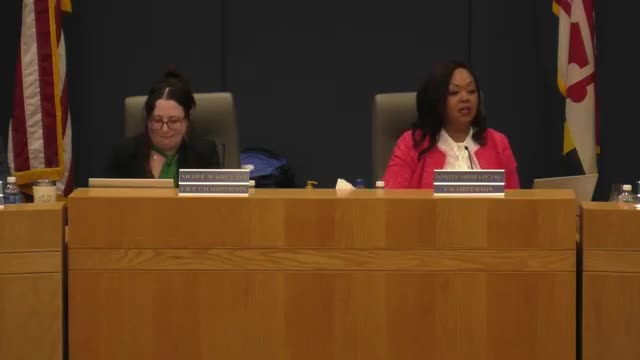
Summary
District staff told the Board of Education on March 11 that winter I‑Ready data show modest growth overall but continuing shortfalls for students who were in the youngest grades during the pandemic. Officials said interventions are expanding but that middle‑school results remain concerning.
At the March 11 meeting of the Charles County Board of Education, district instructional leaders presented the system'wide winter I‑Ready assessment results and described where students are making progress and where gaps remain.
District Chief of Teaching and Learning Kevin Lowndes told the board that nationally the students who were in the earliest grades during the pandemic have had the hardest time "getting caught up." Locally, Lowndes said Charles County has seen gains in several elementary grades, a notable jump in fifth grade and improvements for students who were one grade level behind in reading, but he cautioned that students who started the year well below grade level are not making fast progress.
"Students that were in the younger grades have had the most difficult time getting caught up prior to the same levels that we were with COVID," Lowndes said. He described a district effort of learning walks, targeted interventions and instructional specialist follow-up to support teachers and debrief classroom instruction against standards.
District staff said winter‑to‑winter comparisons are useful because they can better predict state assessment performance. The presenters highlighted that many elementary grades avoided decline and that some cohorts returned to pre‑COVID median performance, but the youngest cohorts and many students in the red (well below grade level) remain a focus for interventions.
Board members asked for more clarity on how parents can act on the reports they receive. Several trustees called for clearer communications and community events such as math and literacy nights so parents can learn concrete strategies to help children at home. Lowndes and other staff described supports already in place: school‑level learning walks, instructional coaching, Title I tutors in many schools, use of I‑Ready''standards‑mastery modules and a new fluency program for reading.
Teachers and school leaders also noted that younger students have shown the slowest progress and that additional time and intensive supports are needed to accelerate learning for students who are multiple grade levels behind. Officials said they will continue to track growth goals and use multiple measures, including I‑Ready, common assessments and program‑level progress monitoring, to determine which interventions are working and where staffing or programming changes are needed.
Officials said the district will continue to post strategic‑plan and assessment dashboards online, and encouraged parents to use the I‑Ready family reports and school events for guidance on where to focus at home.
Ending: District leaders said they will present more detailed school‑level findings and intervention plans to the board in coming months as they finalize summer and extended‑learning recommendations.