Get Full Government Meeting Transcripts, Videos, & Alerts Forever!
Get email alerts on the Caltrans Safety topic
No spam. Unsubscribe anytime.
Caltrans emphasizes safety, bike/ped investments and says district liaisons now handle encampments
Summary
Caltrans director described expanded safety spending, a Vision Zero commitment and new encampment coordination steps; legislators called for faster local coordination on homeless encampments on state right‑of‑way.
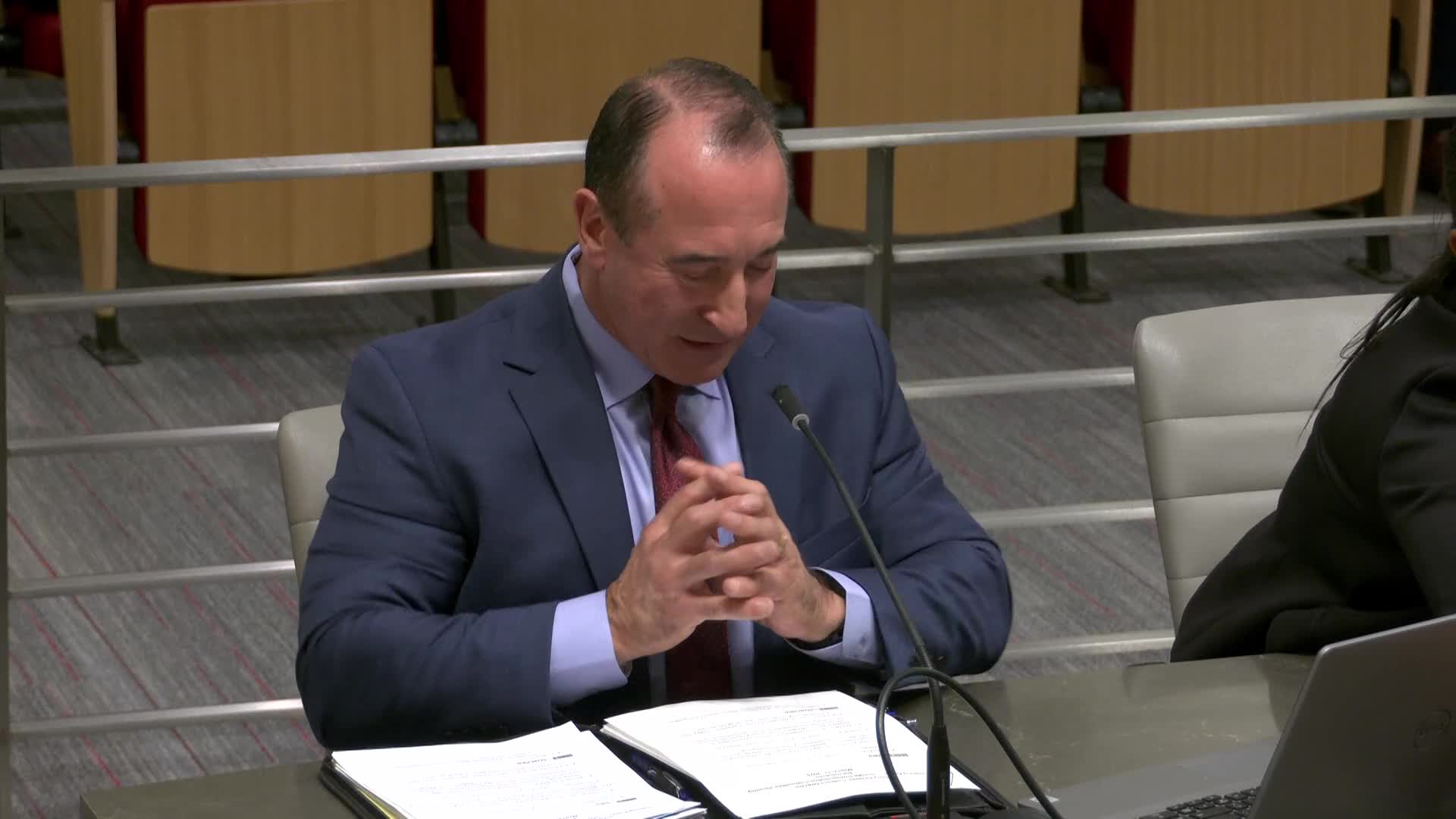
Caltrans Director Tony Tavares told the Senate Transportation Committee that the department is directing nearly $1 billion a year toward safety projects and has committed $1 billion over four years specifically for bike and pedestrian projects on the state highway system.
"We are investing close to a billion dollars per year to deliver safety enhancement projects throughout the entire state," Tavares said. He reported a specific four‑year commitment of $1,000,000,000 for bike and pedestrian projects that Caltrans expects will add or improve about 210 miles of bicycle lanes and roughly 38 miles of crosswalks and sidewalks on state highways.
Tavares outlined Caltrans’ size and scope: about 23,000 employees, more than 50,000 highway lane miles and more than 13,000 bridges and structures. He described a "safe systems" approach to Vision Zero and said Caltrans is using new tools — including two generative artificial intelligence vendor contracts and work‑zone safety technology — to analyze multimodal movements and improve worker and traveler safety. He noted historically that "Caltrans ... has had 194 employees killed in the line of duty while doing their work on the State Highway system."
Senator Alex Padilla (Senator Blake Spear in the transcript) and other members pressed Tavares on management of homeless encampments on Caltrans right‑of‑way. Tavares said Caltrans has established a headquarters homeless and encampments office, each of Caltrans’ 12 districts has encampment liaisons and the department coordinates with local jurisdictions and with state interagency housing groups on grant applications and services. "We coordinate very closely with these local jurisdictions to provide services to the people who are, experiencing homelessness on our right of way," he said, and added that more than $100 million in encampment‑resolution funds has been provided to local governments.
Legislators told Caltrans that coordination and response times still vary, with examples cited in which cities said Caltrans took weeks to authorize local cleanup or required additional safety or hazmat reviews before cities could act. Senators urged Caltrans to streamline delegated maintenance agreements and to ensure liaisons and processes allow cities to act rapidly where appropriate.
Ending: Caltrans framed the department’s priorities around a large safety investment program, bicyclist and pedestrian investments, and increased coordination on encampments; lawmakers asked for faster, district‑level responses where local jurisdictions can safely provide services and removals.