Get Full Government Meeting Transcripts, Videos, & Alerts Forever!
Get email alerts on the Cdbg Esg Grants topic
No spam. Unsubscribe anytime.
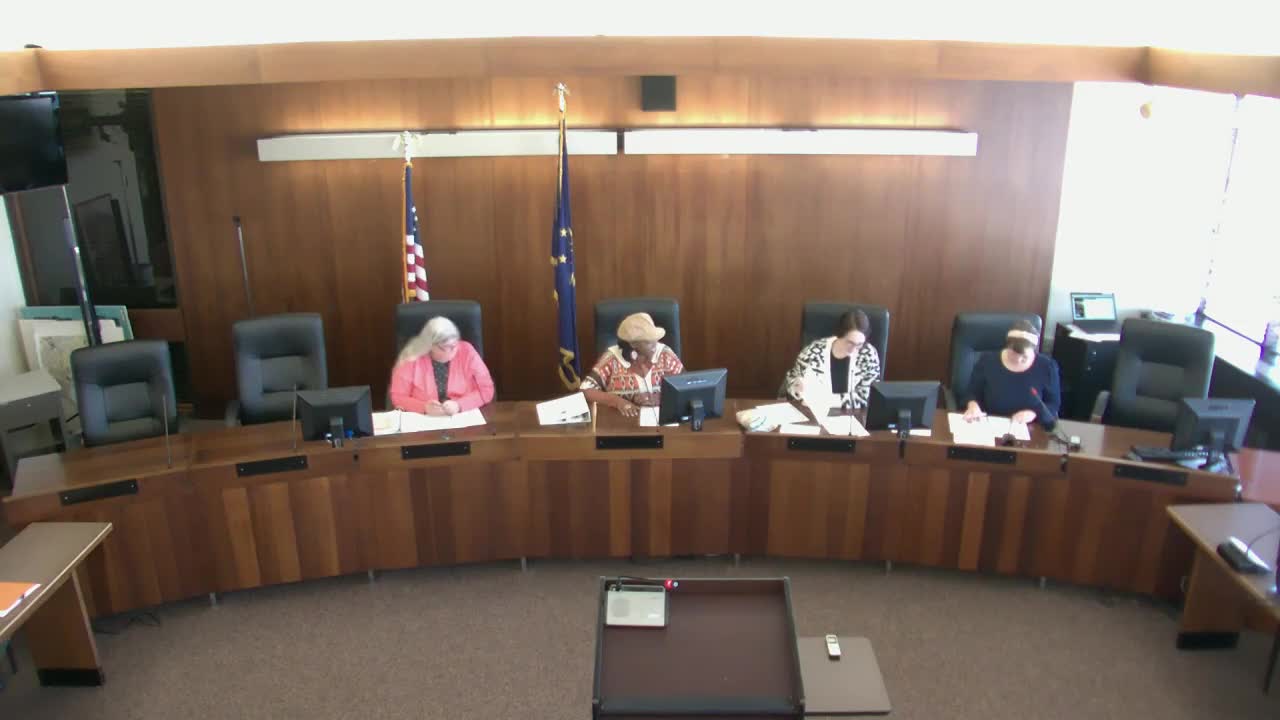
Evansville advisory panel hears CDBG and ESG funding requests from shelters, food programs and senior services
Summary
Dozens of local nonprofits described services and specific funding requests to the Citizens Advisory Committee on Jan. 16, 2025, including shelters seeking ESG dollars for coordinated entry, rapid rehousing and operations and food programs requesting CDBG support for meal delivery and pantries.
The Citizens Advisory Committee heard presentations from more than two dozen local nonprofits on Jan. 16 seeking Community Development Block Grant (CDBG) and Emergency Solutions Grant (ESG) support for emergency shelter operations, rapid rehousing, food distribution and services for older adults and people with disabilities.
The requests ranged from $15,000 to six figures and covered shelter operations, coordinated entry staffing, rapid rehousing, food-pantry operations and meal-delivery programs. Committee members did not vote at the meeting; the session was a block of public presentations for the committee’s forthcoming funding recommendations.
Why it matters: the grants under discussion come from federal HUD programs administered through the city and help fund the operating costs of emergency and preventive services — from immediate shelter and meals to case management that connects people to longer-term housing.
Presenters described specific uses and local demand. Leslie James Wilhite, director of advocacy and education at Albion Fellows Bacon Center, described the agency’s 24-hour emergency shelter for adults and minor children fleeing domestic violence and said the shelter operates a voluntary services model and accepts clients accompanied by pets. “We are a pet friendly shelter,” Wilhite said.
Zach Hieronymus, executive director of Aurora (the lead homeless services agency for Region 12), outlined four requests that combined ESG and CDBG funding. He said one ESG request for $20,000 would fund staff who conduct coordinated entry assessments and noted, “Coordinated entry is HUD mandated for any organization that is receiving those particular federal dollars,” and that the funds would support about 30 coordinated-entry assessments. Aurora also requested $105,000 for rapid rehousing (rental and move-in assistance and case management) and $15,000 for street-outreach crisis intervention.
Tory Flaherty, assistant development director at Evansville Rescue Mission, said city funding helps sustain the mission’s daily meal service and residential programs. “With these funds, we will help, will help us serve 290,000 meals over the course of 1 year,” Flaherty said, adding those funds also support shelter nights and recovery program hours reported by the mission.
Echo Housing and Community Development requested $42,000 in ESG funds to continue operating the House of Bread and Peace, a low-barrier emergency shelter focused on single women and women with children. Savannah Wicker, Echo’s CEO, said the 13-bedroom program operates 24/7, typically houses 23 to 26 residents for up to 90 days and still carries an annual funding gap of about $70,000 even with private support.
Several family shelters and day shelters described repeated high demand. Larry Cornett, executive director of Ozanam Family Shelter, said the facility has 18 rooms and typically houses 70 to 80 people and that utility arrears frequently create barriers when clients try to move into permanent housing. Ryan Rigg, executive director of United Caring Services, said his organization’s day shelter feeds about 150 people daily and that expanded “white flag” hours (now triggered at 40 degrees) substantially increased shelter nights this winter; he reported 2,398 nights provided so far this winter across programs.
Other presenters described supplemental services: the Arc of Evansville asked to expand communication-assessment training and ASL instruction to help people with disabilities communicate in community settings; Meals on Wheels and SWERCA requested funds to cover food and vehicle costs to serve largely homebound older adults; Tri-State Food Bank described mobile pantry and backpack programs that supplied tens of thousands of meals and boxes in Vanderburgh County last year; and multiple smaller pantries and neighborhood groups outlined local distributions to immigrant and working families.
Several agencies emphasized coordination. Joe Cook of St. Vincent de Paul said his district council concentrates on eviction prevention and case-management supports; charities noted partnerships with Aurora, Echo and others to route children, large families and households with utility arrears to appropriate shelter or support services. Presenters also identified funding sources besides CDBG/ESG, including private donors, state funds and TANF for certain housing moves and deposits.
Committee chair and staff did not take votes during the presentations. Presenters and several attendees answered committee questions about program capacity, partnerships and specific gaps, such as utilities and staffing. Multiple organizations asked the committee to consider maintaining or restoring prior funding levels to avoid service reductions.
Looking ahead: the Citizens Advisory Committee will use these presentations as part of its review and recommendation process for CDBG/ESG allocations; no formal awards or funding decisions were recorded at the Jan. 16 meeting.
For the record: presenters included leaders from Albion Fellows Bacon Center; Aurora Homeless Services; Evansville Rescue Mission; Echo Housing/House of Bread and Peace; Ozanam Family Shelter; United Caring Services; YWCA crisis services; Arc of Evansville; Tri-State Food Bank; SWERCA; Meals on Wheels of Evansville; Boys & Girls Club; United Methodist Youth Home; Evansville Association for the Blind; VOICES (long-term care ombudsman); Bethany Evening Food Pantry; Feed Evansville; CAPE; and the YMCA.