Get Full Government Meeting Transcripts, Videos, & Alerts Forever!
Get email alerts on the Elder Care Visitation Policy topic
No spam. Unsubscribe anytime.
Senate File 1918 adds healthcare‑agent visitation guardrails; committee recommends referral without recommendation
Summary
The committee considered Sections 15–16 of SF 1918, which would restrict a health care agent’s ability to block visitation in long‑term care settings unless good cause is shown; after testimony from Elder Voice Advocates and discussion, the committee recommended the bill be passed without recommendation to the Committee on Human Services.
Sections 15 and 16 of Senate File 1918 appeared before the Senate Health and Human Services Finance and Policy Committee on March 12, 2025. The sections would add statutory limits on a health care agent’s ability to restrict visitation and other communications for a resident in a long‑term care setting unless the agent shows good cause (significant physical, psychological or financial harm).
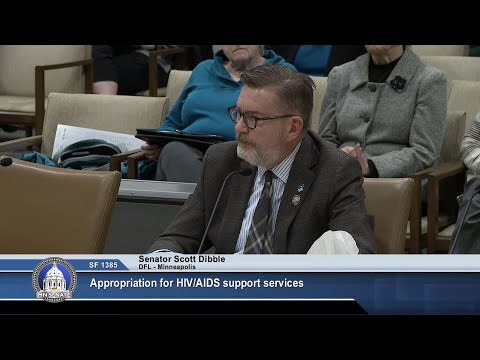
Senator Scott Dibble presented the sections and said the proposal responds to repeated complaints brought to Elder Voice Advocates and lawmakers in which appointed health care agents or guardians have denied family members and other supporters contact with a resident, sometimes at the end of life. Suzanne (Susie) Scheller, legal advisor for Elder Voice Advocates, testified the language mirrors existing provisions in Minnesota guardianship law that allow restrictions only for good cause and would apply similar thresholds to health care directives and agents.
Scheller told the committee the change is intended for long‑term care situations — not short‑term acute care — and to provide providers a legal basis to question or seek evidence when an agent forbids visits, calls or mail delivery. She said reports include instances such as siblings blocked from visits or mail withheld at the direction of a health care agent.
Committee members asked several practical and legal questions, including how providers should weigh a health care agent’s directive against other oversight mechanisms (ombudsmen, Vulnerable Adult Protection Act, court guardianship), how to define ‘‘good faith’’ and evidence standards, and how providers would implement the rules without becoming embroiled in familial disputes. Senator Abler and others urged broader stakeholder engagement; committee members said judiciary and human services committees may need to examine related sections in the full bill.
The motion to recommend SF 1918 “to pass without recommendation” to the Committee on Human Services carried with an oral aye vote in committee. The committee record shows no roll‑call tally in this hearing transcript.
Ending: Sponsors and advocates said they will continue discussions with stakeholders and legal counsel; the committee forwarded the bill without recommendation to Human Services for further work.