Get Full Government Meeting Transcripts, Videos, & Alerts Forever!
Get email alerts on the Corrections Transgender Care topic
No spam. Unsubscribe anytime.
Committee approves ban on taxpayer-funded gender-affirming surgeries, narrows hormone access amid legal concerns
Summary
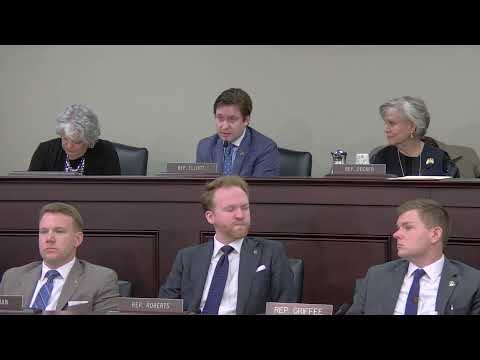
Senate Bill 2, which prohibits use of public funds for gender-affirming surgeries in correctional facilities and restricts certain hormone therapies, passed the House Judiciary Committee after extended testimony from medical and civil-rights groups and individuals who said treatment is medically necessary.
The House Standing Committee on the Judiciary voted to advance Senate Bill 2, a measure that would prohibit the use of public funds for gender-affirming surgeries in Kentucky correctional facilities and would restrict access to certain hormone treatments.
Senator Mike Wilson, sponsor of the bill, told committee members the Department of Corrections had been implementing policies via internal memos and that those policies should instead be adopted through administrative regulation or statute. "It is inappropriate for these policies and procedures to be implemented on the department's website by memorandum," Wilson said, and asked the committee to consider the regulation that prompted the measure.
The committee heard extended testimony from both opponents and supporters. Opponents included Serenity Johnson, a resident and transgender Kentuckian; Chloe Atwater of the Kentucky Equal Justice Center; Dr. Eric Russ of the Kentucky Psychological Association; Chris Hartman of the Fairness Campaign; and Hannah Callahan, who described being denied hormones while jailed in another state. Johnson said the bill "denies medical care prescribed by a doctor to Kentuckians" and urged the committee to oppose the measure. Atwater warned of potential Eighth Amendment challenges if the state withholds necessary medical care. "The denial of this care impacts transgender people's mental health," she said.
Medical and advocacy witnesses emphasized the small number of incarcerated people affected and the legal risks of restricting care. The Kentucky Department of Corrections, as referenced in committee testimony, told legislators that there have been no gender-affirming surgeries approved in state correctional facilities. Committee testimony included these figures: 467 inmates receiving some form of hormone therapy and 67 individuals receiving gender-affirming hormone therapy specifically.
Chris Hartman of the Fairness Campaign argued the financial savings from denying hormone therapy to fewer than 70 people would be negligible and warned of higher downstream costs: "What you think you're going to save by denying hormones to fewer than 70 Kentuckians, around $50 a month maybe, will not outweigh the cost of mental health interventions that your jail staff are going to have to deal with," he said.
Supporters of the bill framed the issue as the appropriate use of taxpayer dollars. Representative (and senator sponsor supporter) proponents repeatedly characterized the measure as limiting public funding for elective procedures; the sponsor and several committee members said the bill targets use of public funds rather than private care. Opponents countered that medically necessary treatment and constitutional protections must be preserved; witnesses and several members said the bill risks litigation under the Eighth Amendment.
After extended debate and public testimony, the committee reported the bill favorably on a recorded vote: 15 yes, 3 no. Several members offered explanations of their votes on the record, citing either fiscal responsibility, constitutional concerns, or the need to preserve medically necessary care. The committee record shows statements from members on both sides emphasizing that the bill addresses public funding and not private decisions to seek treatment.
Votes at a glance: Senate Bill 2 advanced with a committee tally of 15 yes, 3 no. The committee record includes multiple on-the-record explanations and several witnesses’ personal accounts describing impacts of interrupted treatment.
Next steps: With the committee’s favorable report, Senate Bill 2 proceeds to the full House. The committee record notes legal and constitutional issues raised by multiple witnesses; proponents and opponents signaled potential further floor debate and possible litigation if the statute is enacted.