Hotel industry urges Spokane Valley to adopt short-term rental permit, tax and 'good neighbor' rules
Loading...
Summary
The Washington Hospitality Association and 13 local hotels asked the council to consider a short-term rental ordinance requiring permits, annual renewal fees, a 'good neighbor' policy, tax compliance and visible permit numbers to level the playing field with hotels and protect housing stock.
At the March 11 City Council meeting, representatives of the Washington Hospitality Association and local hoteliers urged Spokane Valley to adopt regulations for short-term rentals (STRs), arguing that unregulated listings have produced unfair competition, lost tax revenue and reduced housing availability.
Derek Bazios, local government affairs manager for the Washington Hospitality Association, told council members that 194 short-term rentals had been identified in the city (a tally the association said makes STRs approximately the size of the city’s second‑largest hotel) and that 88% of the listings were entire-home rentals. Bazios said many STRs are single-family homes or entire units removed from the long-term rental market, and he urged regulations that include a permitting process tied to a Spokane Valley business license, annual renewal, a posted permit number on listings, a good-neighbor policy, explicit tax compliance requirements and a responsive contact available to neighbors within one hour.
Grant Gwynn, a local hotel owner and developer, said the presence of numerous STRs complicates local lodging markets and could affect future hotels and larger commercial developments; he and other hotel speakers urged a ‘‘level playing field’’ so hotels that comply with licensing, inspection and tax rules do not lose business to operators who do not collect or remit the same fees.
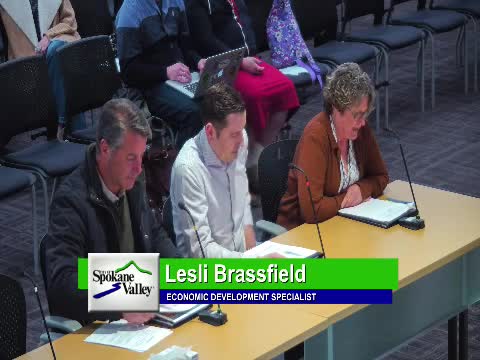
City staff and council members discussed options and existing tools. Leslie Brasfield (tourism and marketing manager) said the city already works with Granicus for several services and could expand third-party monitoring tools; staff noted that Granicus and other monitoring services can identify listings, help check tax compliance and administer permit programs but that adding those services would have associated costs that could be offset by permit fees.
Councilmembers asked for additional information and signaled interest in holding more stakeholder meetings. No ordinance was adopted; staff said they would return with details, potential monitoring vendors and cost estimates and that the council will hear from STR operators at a future meeting.