Get Full Government Meeting Transcripts, Videos, & Alerts Forever!
Get email alerts on the Civic Inclusion topic
No spam. Unsubscribe anytime.
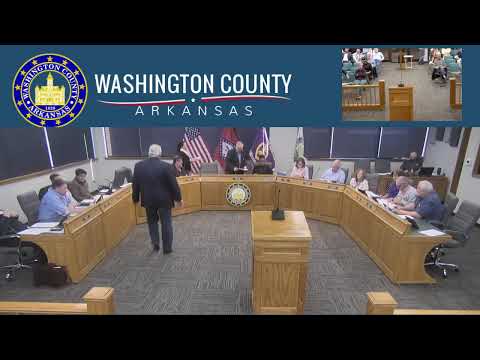
After heated debate, committee approves a ‘Welcoming Community’ resolution and forwards it to full court
Summary
The County Services Committee voted to send a resolution declaring Washington County a welcoming community to the Quorum Court, following extended debate across cultural, legal and policy lines and a public comment period that included several constituents describing personal experiences.
The County Services Committee voted to forward a resolution declaring Washington County a ‘‘welcoming community’’ for immigrants, refugees and LGBTQ+ residents to the full Quorum Court after extended debate and multiple public comments in favor of the measure.
Justice JP Koger introduced the resolution as a statement of county values: “Symbols hold power. They tell people … that they are seen, that they are valued, and that they belong,” he said during the committee discussion. Supporters described the measure as symbolic but consequential for residents who said they feel vulnerable.
The discussion included differing views about the role of local government. Some committee members and speakers urged passage as an inclusive civic statement. Others said such resolutions risked politicizing the court and argued county government should prioritize core functions and avoid symbolic declarations. One committee member described the language as ‘‘identity politics’’ and opposed singling out particular groups; others, including supporters who spoke at public comment, said clear language mattered to residents who fear discrimination.
Public comment included multiple patrons who described family members and community members who identified as transgender or as immigrants and told the committee that a welcoming declaration would matter to them personally. Several speakers connected their support to religious or moral obligations to welcome strangers and to the practical value of signaling to residents and potential employers that the county is inclusive.
Why it matters: although resolutions are not legally binding, proponents argued the declaration would send an important signal to residents and employers and could affect community morale and recruiting. Opponents said existing federal and state laws already protect civil rights and questioned whether the Quorum Court should adopt symbolic language at the expense of focusing on core services.
What happened: after public comment and multiple amendments, the committee approved a version of the resolution and voted to forward it to the full Quorum Court. The committee’s debate was lengthy and included claims and counterclaims about the scope of local authority, potential state legislative responses, and whether such a declaration would aid or divide the community.
Ending: Proponents urged colleagues to consider the human impact of a public statement of welcome; opponents urged caution about expanding county government’s symbolic role. The resolution will receive a final vote by the full Quorum Court.