Get Full Government Meeting Transcripts, Videos, & Alerts Forever!
Get email alerts on the Medicaid Medicaid Rate Reform topic
No spam. Unsubscribe anytime.
Providers, hospitals and health centers press Human Services panel for Medicaid rate increases to prevent service cuts
Summary
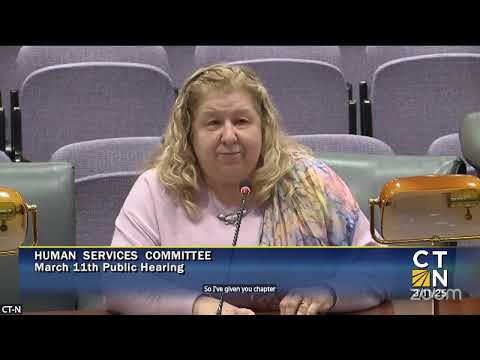
Dozens of health centers, hospitals, physicians and home- and long-term-care providers told Connecticut's Human Services Committee on March 11 that Medicaid rates must rise to prevent service cutbacks and ensure access for low-income residents.
Advocates across Connecticut's health system told the Human Services Committee on March 11 that state Medicaid reimbursement rates are inadequate, putting care for low-income residents at risk and urging the legislature to pass HB 7,191 to rebase and index rates.
Commissioner Andrea Barton Reeves of the Department of Social Services briefed the committee on the department's position and the results of recent rate studies. Reeves said the state has completed two independent analyses that identify large shortfalls across several provider groups and that the studies provide a roadmap for rebasing rates. "It is time to implement those studies," Reeves told the committee, and she said DSS intends to work with the Office of Policy and Management, MAPOC and stakeholders to phase increases and tie future updates to an established schedule that reflects provider costs.
Representatives from federally qualified health centers described sizable losses on Medicaid visits and warned of service reductions without rate changes. Yvette Highsmith of Community Health Center, Inc. and multiple Fairhaven Community Healthcare leaders said centers lose on average more than $100 per medical Medicaid visit and urged statutory confirmation that FQHC reimbursement follow cost-based approaches used in peer states. "We currently lose $110 on each of these visits," Community Health Center Inc. testified. Mark Schafer of the Connecticut Hospital Association and other hospital leaders called attention to a multi-hundred million-dollar hospital Medicaid shortfall and asked the committee to consider a broader plan that would address hospital financing and preserve community investments.
Behavioral health and home care providers also testified. Ben Shakin of the Connecticut Community Nonprofit Alliance urged prioritizing behavioral health clinic rate increases identified in the study; Tracy Wodach of the Connecticut Association for Healthcare at Home told the panel the study omitted key home health codes and asked that medication-administration codes be included and that the subsequent-visit penalty be removed. Multiple physicians, including doctors from the state medical society and Connecticut Children's, said physician rates should be increased and recommended using the Medicare economic index or other sustainable benchmarks for annual updates.
Nursing home representatives warned that a proposal in a different bill to require nursing homes to spend 80% of revenues on direct care is unworkable because Connecticut's definitions of "direct care" are narrower than in other states and because other necessary costs (food, laundry, property) would be unduly constrained. Several long-term care speakers also called for controls on temporary staffing agency fees, noting that unregulated agency charges have multiplied payroll costs and threatened facility finances.
The wide-ranging public testimony included dozens of health center leaders, clinicians, hospitals and provider associations. Multiple witnesses said the governor's proposed budget does not fund the rate changes the studies recommend and urged the legislature to adopt HB 7,191 and to create a mechanism for periodic, predictable updates to rates so underpayments don't recur.
Why it matters: Connecticut's Medicaid reimbursements affect access to primary, specialty, behavioral health, dental and long-term care for hundreds of thousands of residents. Providers told the committee the rate study provides a roadmap but stressed that implementation timing and inclusion of specific codes will determine whether services can be sustained.
What happens next: Committee members asked for follow-up briefings and technical language to ensure certain provider types are included and to explore how rate adjustments will be phased and financed. Several speakers said they are prepared to work with DSS and lawmakers on statutory language to implement the study findings.