Get Full Government Meeting Transcripts, Videos, & Alerts Forever!
Get email alerts on the Land Use And Nuisance topic
No spam. Unsubscribe anytime.
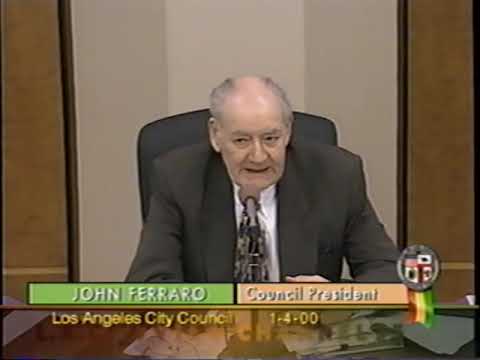
Council allows dancing at 721 S. Western Ave. after lengthy debate; sets early reviews and conditions
Summary
The Los Angeles City Council voted to deny neighborhood appeals and permit dancing at 721 South Western Avenue with conditions including limits on alcohol service, off‑site parking and a 6‑month and 1‑year zoning administrator review.
The Los Angeles City Council voted to deny appeals and allow dancing at 721 South Western Avenue, a restaurant-licensed business in Council District 10, after extended debate about neighborhood impacts and public-safety concerns.
Councilmembers debated competing motions that would either uphold a committee recommendation to deny dancing or reverse that recommendation to allow dancing under new conditions. The council ultimately approved the motion to deny the appeals and grant the dance use as amended, by a vote of 13 ayes and 2 noes. The Council also approved an amendment requiring the zoning administrator to review the operation at six months and again at one year.
Neighbors and a committee had urged denying dancing, saying the site sits on Western Avenue amid a high concentration of late-night uses and that previous LAPD objections weighed against allowing dancing. Councilmember Misakowski told colleagues the committee recommended granting the appeals filed by adjoining residents and said the location should operate first as a restaurant so the community and police could evaluate impacts before any dancing is allowed. She moved the committee report seeking to deny dancing.
Supporters of the operator argued the property has complied with numerous conditions, added parking and valet arrangements, and obtained a certificate of occupancy only recently after renovations. Councilmember Holden and others said the business had been held up by process and should be treated consistently with other restaurant approvals.
Albert Landini, the zoning administrator of record, described earlier actions: a prior zoning administrator approved the site as a restaurant and later the zoning administrator approved the current case with expanded hours and dancing on a relatively small, roughly 900-square-foot dance floor. Landini said the zoning administrator had approved operating hours of 11:00 a.m. to 2:00 a.m., seven days a week, and noted that council amendments offered in prior meetings included limiting alcohol service to sales in conjunction with meals and requiring additional off-site parking.
Councilmembers who supported allowing dancing said two key mitigating changes — alcohol sold only with food service and the operator’s agreement to 350 off-site parking spaces with valet — reduced impacts. One councilmember moved and won an amendment shortening the late-night hour from 2:00 a.m. to 1:00 a.m. The council also approved a requirement that the zoning administrator review the operator’s performance at six months and again at one year and authorized the administrator to add or not renew conditions as necessary.
A prior committee recommendation to grant the appeals (which would have denied dancing) failed to obtain the 10 votes the council’s rules required for adoption of the committee report. After that failure, the council considered and approved the motion to deny the appeals and allow dancing with the new conditions and review schedule.
The action preserves the zoning administrator’s authority to monitor the site and to adjust conditions if the operation creates problems for surrounding residents. The zoning administrator’s prior approval, the council’s new conditions and the review schedule together will govern how the use is implemented going forward.
Actions tied to this item included motions to (1) adopt the committee report and deny dancing (failed), (2) adopt an amended motion to allow dancing with conditions (approved), and (3) require zoning-administrator review at six months and at one year (approved).