Get Full Government Meeting Transcripts, Videos, & Alerts Forever!
Get email alerts on the Zoning topic
No spam. Unsubscribe anytime.
Council amends Klasky Common TOD zoning table to restore single‑family protections; refers ordinance to full council
Summary
The City Council Ordinance Committee closed a public hearing and voted 7–3 to amend the Klasky Common transit‑oriented development overlay district table of uses to prohibit multi‑family conversions in single‑family (Residence A) areas, and referred the ordinance as amended to the full City Council with a favorable recommendation.
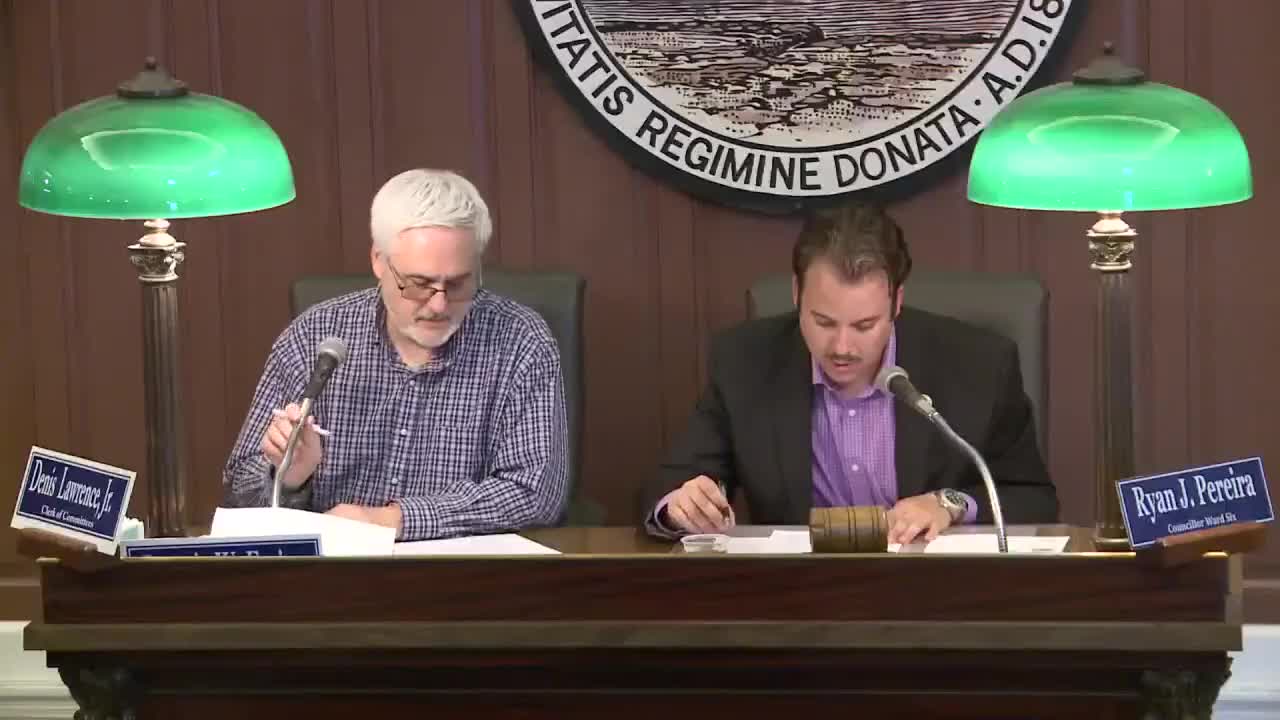
The City Council Committee on Ordinances on Wednesday closed a continued public hearing on the proposed Klasky Common Transit‑Oriented Development overlay district and adopted an amendment restoring single‑family protections for the Residence A zoning category, then voted to refer the ordinance as amended to the full City Council with a favorable recommendation.
The amendment, adopted by the committee, changes the table of permitted uses so that townhouse and two‑family conversions that had appeared in Residence A are again prohibited in those areas. Director of City Planning Jennifer Carloni presented the revised table to the committee and provided copies of the corrected chart at the meeting.
Why it matters: committee members said the change reverses a set of amendments made last fall that they said would have allowed increased density in long‑standing single‑family neighborhoods. Attorney David Garatowski told the committee the adopted language “would protect single family zoning and put it back to the way it was.” Councilor Linda Morad, who moved the amendment, said she was “really angry” that the changes were made without the council’s knowledge and described the swap as necessary to protect homeowners.
The committee closed the public hearing and approved a motion to swap the table of uses with the version provided by the planning department. The committee then voted to refer the ordinance, as amended, to the full council with a favorable recommendation; the committee clerk recorded the item as passing by a 7–3 vote.
The chair said the committee will also request a full presentation from the planning department reviewing all changes made in the table of principal use regulations adopted Nov. 26, 2024, and he intends to file a motion to have the Ordinances Committee review the entire table of uses line by line. A related motion, made and seconded at the meeting, directs the planning department to present a detailed account of all changes in the chart to the Ordinances Committee within 30 days and asks the committee and the planning board to hold public hearings on the definitions and Table of Principal Use Regulations in section 1,200 of the zoning code.
The action does not itself adopt the overlay district into the zoning code; it sends the ordinance, with the adopted table of uses amendment, to the full City Council for final action. Committee members said they intend to continue reviewing other edits and definitions that were changed last fall.
Votes at a glance: the committee recorded the referral as amended and recommended adoption by a 7–3 vote.