Get Full Government Meeting Transcripts, Videos, & Alerts Forever!
Get email alerts on the Homelessness topic
No spam. Unsubscribe anytime.
Long Beach accepts $11.05 million state grant to address LA Riverbed encampments
Summary
The City Council approved accepting $11,051,738 from the California Department of Housing and Community Development to fund a two‑year Encampment Resolution program focused on the LA Riverbed, prioritizing non‑congregate shelter, rapid rehousing and outreach while coordinating with county and state partners.
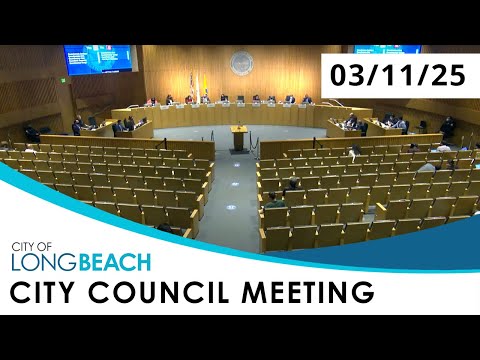
The Long Beach City Council on March 11 voted to accept $11,051,738 from the California Department of Housing and Community Development’s Encampment Resolution Funding Program to target services for people living along the Los Angeles Riverbed.
Deputy City Manager Teresa Chandler and Paul Duncan, manager of the city’s Homeless Services Bureau, told the council the award is the city's third round of encampment resolution funding and is intended to quickly move people off the street and into short‑term shelter and housing supports. “This is the third time that we are receiving funding from the state to implement an encampment resolution program,” Chandler said, adding the award will fund outreach, non‑congregate shelter and rapid rehousing that staff expect to implement beginning this summer.
The city estimated about 246 people were counted on the riverbed during the 2024 point‑in‑time count and says about 325 unique people use the riverbed over a 12‑month period based on Homeless Management Information System records. Staff said people on the riverbed are more likely than in other encampments to have long‑term homelessness and higher rates of reported disabilities, mental‑health and chronic health conditions.
Under the grant plan, the city expects to: - Provide targeted engagement and outreach on the LA Riverbed, coordinated with partner jurisdictions; - Lease and operate non‑congregate shelter (motels/hotels) adjacent to the riverbed as temporary spaces while participants pursue longer‑term housing; - Fund rapid rehousing assistance and case management to help people secure leases and short‑ to medium‑term rental support; - Prioritize vouchers and permanent supportive housing placements as those resources become available through the Housing Authority and county partners.
Staff said the award is structured as a two‑year program and must be spent down by 2029. The staff presentation identified program goals that include placing at least 30 riverbed residents into non‑congregate shelter, supporting 80 exits from rapid‑rehousing into permanent housing and assisting 40 people into permanent supportive housing placements, while acknowledging that voucher supply is limited and not every resident will receive a voucher immediately.
Paul Duncan said the geography is complex: the riverbed spans city, county and state property and includes Caltrans and utility easements. Chandler and Duncan said the city will coordinate with Los Angeles County, Caltrans and other owners through existing interjurisdictional meetings and that staff meet with county and Caltrans partners on a biweekly basis to coordinate response and operations.
Public commenters at the meeting praised the award but urged the city to pair the new funding with longer‑term housing and property ownership strategies. Sanai Kenfei, identified as a sixth‑district neighborhood president, recommended the city pursue purchase and ownership of motel properties to lower ongoing costs and suggested sites he said had been on the market; he told council the city could save money by acquiring properties rather than repeatedly leasing space. A client who identified herself as Latoya Marshall told council she had been exited from a different shelter program and said program implementation had failed to get her into the housing authority voucher system; she urged improved case follow‑up.
Councilmembers acknowledged the limits of one‑time grant funding and emphasized the need to coordinate with county partners and leverage additional resources for permanent housing. Council members also reiterated that the Vagabond Inn site being used for temporary shelter will end in about three months and that staff are seeking motel alternatives closer to the riverbed to maintain continuity of services.
The council approved the staff recommendation to accept and expend the grant. Staff said implementation will proceed in the coming months with the goal of beginning placements and operations in summer 2025 and continuing monitoring and coordination with county partners and the Housing Authority.