Get Full Government Meeting Transcripts, Videos, & Alerts Forever!
Get email alerts on the Municipal Budget topic
No spam. Unsubscribe anytime.
Indian Trail staff present 50,000-foot FY26 budget preview; manager and department heads cite lean operations, capital pressures
Summary
Town manager and department leaders gave an overview of operating assumptions for FY26, discussed department budgets, a proposed 2% COLA and 3% merit, health insurance increases, and capital priorities including parks, Indian Trail Road and a proposed public works facility.
Town Manager (unnamed) and department directors briefed the Indian Trail Town Council and the public on March 11 with a 50,000-foot preview of the town’s proposed FY26 budget, emphasizing limited operational increases, staff investments and growing capital needs.
Key operational items: The manager said the operating budget remains lean; staff proposed a 2% cost-of-living adjustment (COLA) and continued a 3% merit pool. Finance staff recommended a reclassification (promoting a senior accountant to assistant finance director). Human Resources said health insurance rates could rise by about 10% and that the state League of Municipalities was exiting its health plan role, prompting a search for new carriers.
Public safety and staffing: The town’s contract with the Union County Sheriff’s Office remains the primary public-safety expense. Sheriff-contract costs were discussed separately, and council heard a departmental request for three new positions in FY26 (a traffic sergeant and two mid-shift deputies) to address traffic and mid-day coverage; final personnel decisions will await confirmed county contract numbers and the council’s budget direction.
Parks, planning and public works: Parks and Recreation reported increased program revenue — senior trip registrations reached record levels — and proposed a modest operating increase offset partly by projected revenue growth. Planning staff said permitting and project-review volumes remain consistent but noted declines in plan-review revenue tied to slower building starts; the department requested modest training funds, including a GIS certification. Public Works reported improved in-house capacity (mowing/right-of-way and in-house street-sweeping) and asked council to consider long-term facility needs.
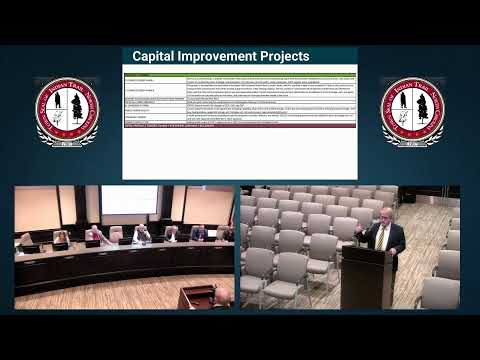
Capital concerns and priorities: Staff presented a multi-year capital-improvement plan (CIP) that groups projects as fully funded, partially funded or unfunded. Major items discussed include Chestnut Square Park Phase 2 (and the community center feasibility work), Indian Trail Road Complete Street (Phase 1 is moving through right-of-way acquisition and DOT reimbursement), and a proposed public works facility. Manager and staff emphasized the council can phase large projects over several years rather than fund them in a single budget year.
Investments and reserves: Finance proposed moving portions of capital-reserve funds into the state-managed NC Class liquidity pool to increase yield while keeping funds within statutorily allowed instruments; council approved opening an NC Class account and transferring approximately $8.6 million plus accrued interest.
Why it matters: The FY26 budget will reflect new revenue estimates after the county finalizes reassessed tax bases; council and staff must balance constrained operational resources, modest personnel requests and multi-year capital obligations. Decisions on tax rates and capital commitments will follow the next round of revenue estimates and a formal budget submission from the town manager in May.
Next steps: Staff will refine revenue estimates when the county provides updated tax-base numbers, reassess the CIP timeline and bring a manager’s budget to the council for formal review and adoption. Council members asked staff to circulate more detailed CIP scenarios and to accept written questions between workshops.
Ending note: Staff and department heads stressed that many capital projects are multi-year and that the council can phase funding. They asked council members to attend upcoming budget workshops and county finance briefings before final rate decisions.