Get Full Government Meeting Transcripts, Videos, & Alerts Forever!
Get email alerts on the Public Comment Prayer Curriculum topic
No spam. Unsubscribe anytime.
Public commenters urge board not to pursue legislative prayer; speakers also raise federal education and curriculum concerns
Summary
Three public speakers urged caution regarding a proposed modification to the district’s consent decree that could allow legislative-style invocation before board meetings. Speakers also raised concerns about federal Department of Education staffing news and local curriculum and book-reconsideration issues.
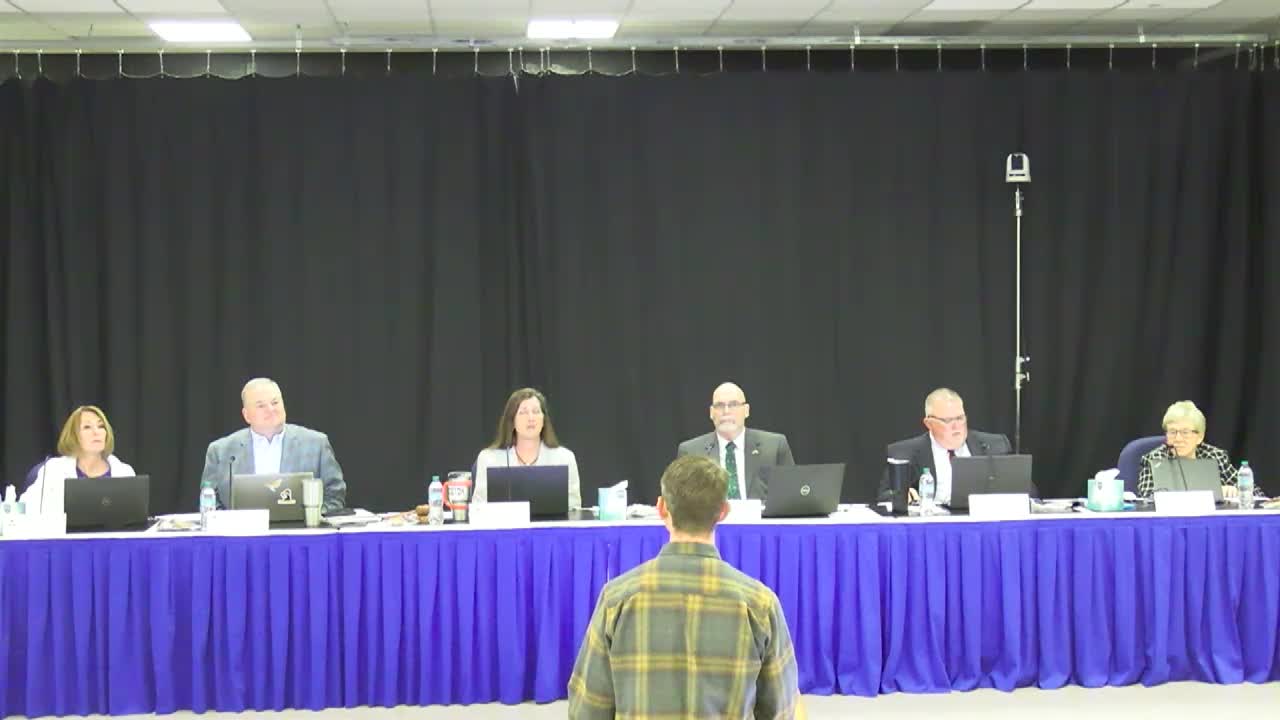
During the public-comment period at the March 11 meeting, three speakers addressed the board on several topics, chiefly urging the board not to pursue a modification that would allow legislative-style prayer before board meetings.
Brad Porter of Navarre urged the board not to revisit the consent decree and warned of legal risk and expense. "Cases defending this practice will run into the hundreds of thousands of dollars. Money that the School Board doesn't have," Porter said. He cited court-of-appeals rulings in multiple circuits and said he would seek to participate in any invocation rotation if the board moved forward.
Jan Cook of Milton discussed national and state developments in education governance and raised concerns about potential federal Department of Education changes and statewide curriculum actions. Cook asked the board and the community to remain engaged on issues including university appointments and curriculum restrictions.
Dr. Alana Porzicanski of Gulf Breeze urged the board to maintain the current moment of silence rather than adopt legislative prayer and to focus district resources on programming and services. She referenced previous community debates over book reconsideration and said, "Prayer is something best left to the parents. The division it will cause is not worth it."
Board staff responded during public comment to clarify that any district action would be limited to seeking a modification narrowly focused on a legislative-prayer exception, not a wholesale change to the consent decree. The superintendent noted the district had previously been invited by the court to return if circumstances required a modification and said the district would proceed through the courts if necessary.