Southlake staff propose tighter rules for Transition Zoning Districts; Planning & Zoning recommends density, lot-size and adjacency limits
Loading...
Summary
City of Southlake planning staff on [date of SPIN meeting] presented proposed amendments to the city's Transition Zoning District regulations and said the Planning and Zoning Commission recommended several changes that would affect future TZD rezoning requests.
City of Southlake planning staff on [date of SPIN meeting] presented proposed amendments to the city—s Transition Zoning District regulations and said the Planning and Zoning Commission recommended several changes that would affect future TZD rezoning requests.
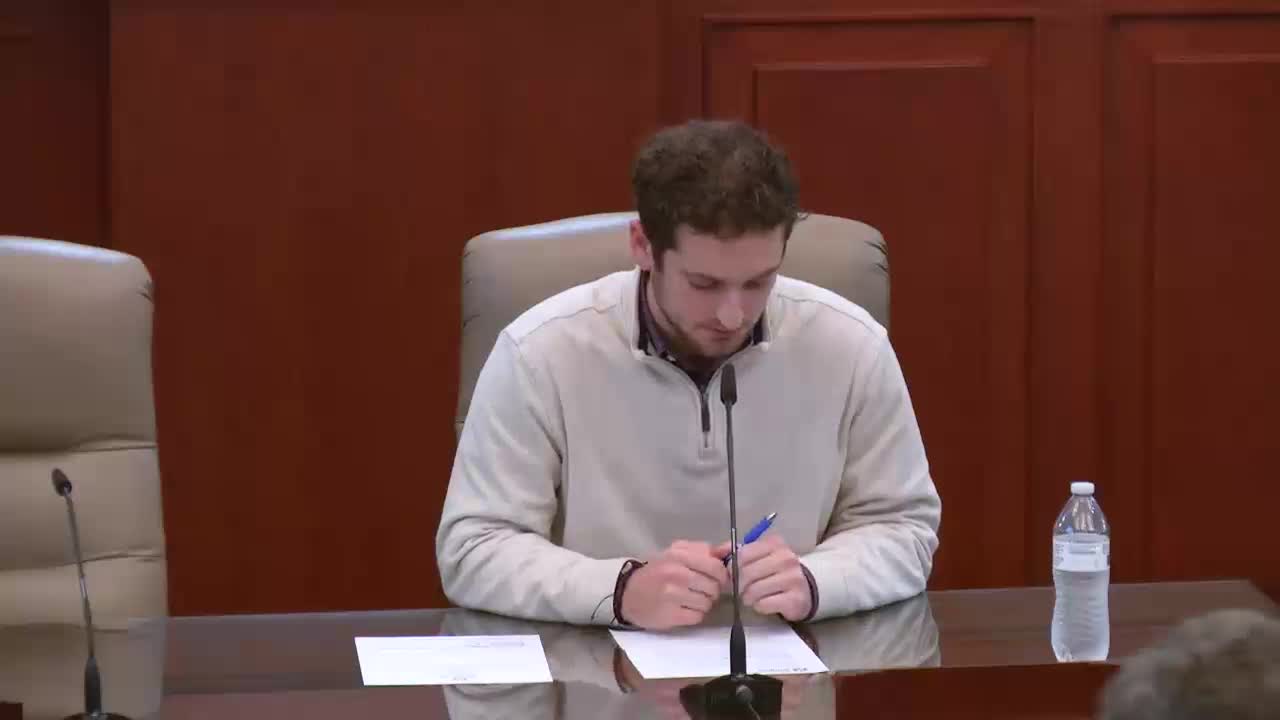
At a Southlake Program for the Involvement of Neighborhoods (SPIN) meeting, Dennis Killough, director of planning and development services, said the proposal would not change regulations that already apply in approved TZD neighborhoods. "The proposal in place right now would not change any regulation to an existing TZD neighborhood," Killough said.
The proposal responds to recent development cases and to questions from the commission. Planning and Zoning—s March 6 recommendation includes: calculating residential density using only the area designated for residential uses rather than the entire TZD boundary; setting a 10,000-square-foot minimum lot area for lots within new TZDs; excluding stormwater detention areas that are not designed as aesthetic or passive-recreation amenities from open-space credit; and adding adjacency standards when a TZD—s nonresidential component directly abuts an existing residential neighborhood, including setbacks, landscape buffers and screening.
Why it matters: the changes would set new baseline rules for future TZD applications. Killough told attendees that while the commission recommended those standards as guardrails, City Council would retain discretion to grant exceptions. He said the ordinance as currently drafted preserves a 2 dwelling-unit-per-acre residential density limit but that council currently can approve higher densities when justified; one TZD previously approved reached about 2.9 dwelling units per acre.
Staff provided data showing the city has approved eight TZDs to date; approved residential densities in those range from about 1.58 to 2.91 dwelling units per acre, and the reported average residential density across the eight is 2.06 dwelling units per acre. Existing TZDs have minimum lot sizes reported between about 5,700 and 10,000 square feet. Killough also noted that each TZD must provide at least 15% open space as part of its adopted regulations.
Residents pressed staff for clarity about whether adopted changes could affect existing TZDs or private property rights. Several speakers asked that the ordinance explicitly state that any TZD approved before the ordinance—s effective date remain governed by the rules under which they were originally adopted. Killough said staff could add explicit grandfathering language: "We can add language to that effect," he said, referring to a written guarantee that previously approved TZDs would remain in effect as adopted.
Other clarifications from staff: a TZD may include mixed uses but the residential component currently is limited to two stories; the nonresidential "residential edge" component is limited to 2.5 stories, and the retail edge to three stories unless a variance or deviation is granted. Staff also explained that open-space credit rules would no longer count certain detention areas that provide no passive amenity toward required open space.
Planning and Zoning forwarded its recommendation to City Council; Killough said the council is scheduled to consider first reading of the amendments on April 1 and a second and final reading on April 15. SPIN is an informational public forum and no votes took place at the meeting; staff will produce a SPIN report summarizing comments and submitted questions.
For residents: staff advised that an application to change zoning for property in a TZD is a legislative, discretionary act that would still require public notice and hearings: property owners within 300 feet of a proposed change receive notices, the Planning and Zoning Commission hears the case and forwards a recommendation to City Council, which may approve or deny the rezoning request. Killough emphasized that a single property owner generally cannot unilaterally change another property—s zoning and that neighborhood-wide changes typically require broad neighborhood participation.
A SPIN meeting report and submitted comment forms will be included in the case file and made available on the city website; the meeting was livestreamed on Southlake TV and recordings are posted approximately 24 hours after the meeting.