Get Full Government Meeting Transcripts, Videos, & Alerts Forever!
Get email alerts on the Senior Nutrition topic
No spam. Unsubscribe anytime.
Meals on Wheels, senior providers warn state funding cuts would reduce deliveries and services for homebound seniors
Summary
San Diego Meals on Wheels and statewide senior-nutrition representatives told the committee that state funding expansions have been critical since the pandemic but that funding volatility and federal pauses threaten home-delivered and congregate meals for vulnerable seniors.
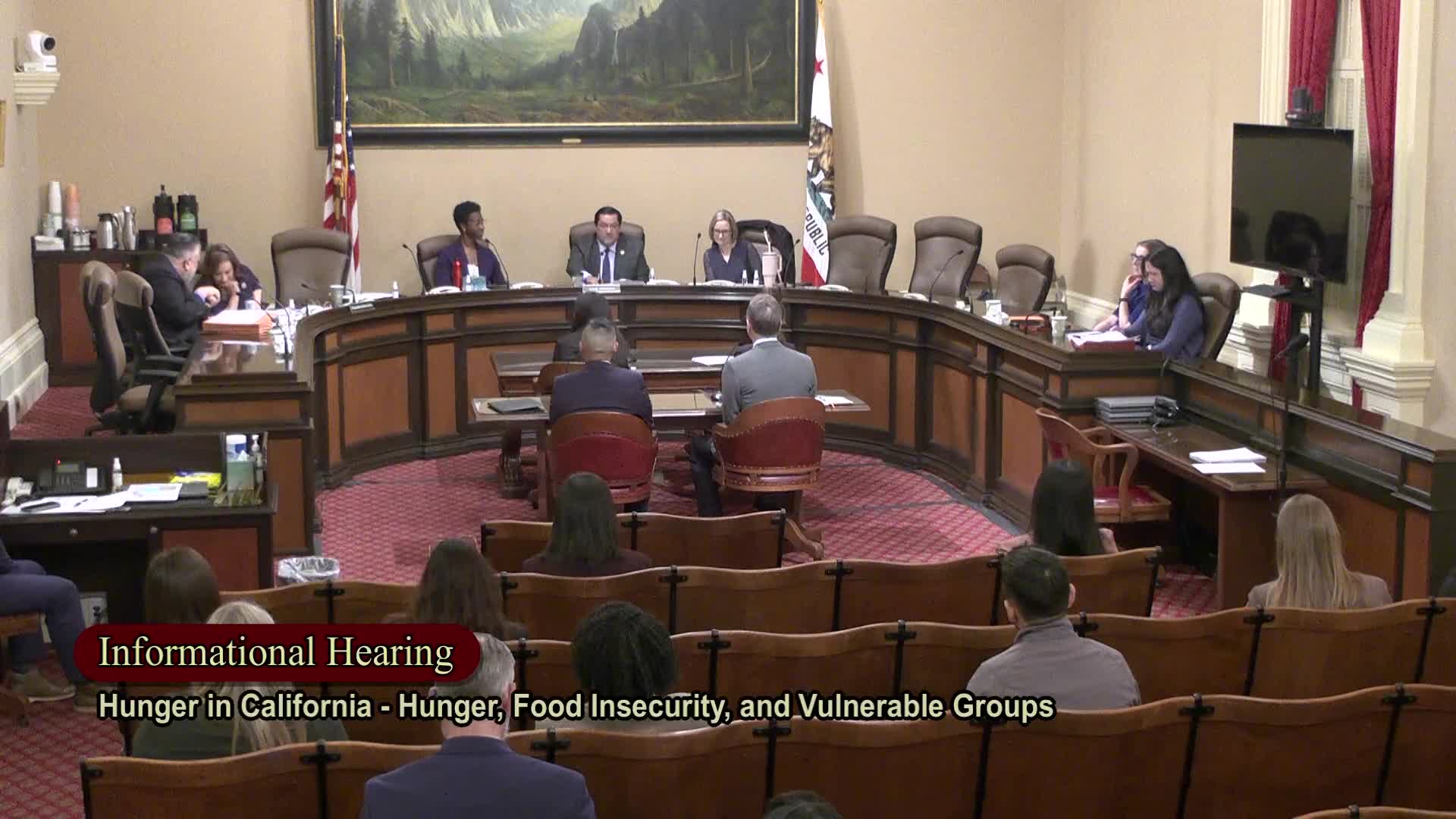
Leaders from Meals on Wheels and statewide senior-nutrition programs told the Senate Committee on Human Services that state and federal funding have expanded services since the pandemic, but volatility in funding and the possibility of cuts would force reductions in home-delivered meals, culturally tailored menus and local wraparound services for older adults.
Brent Wakefield, president and CEO of Meals on Wheels San Diego County and board president of Meals on Wheels California, described an operation delivering about 700,000 home-delivered meals a year in San Diego County and reaching more than 400,000 wellness contacts annually. He said state investments increased his agency's contract from roughly $100,000 a year to about $1.2 million and that those state funds leverage large amounts of additional local fundraising and in-kind partnerships.
Wakefield said the average subsidized cost to the program in San Diego is about $7 per meal, with an actual delivered-meal cost closer to $14 after navigation and volunteer coordination; Meals on Wheels covers the difference through fundraising and partnerships. He warned that if state allocations were reduced, roughly 810 clients in his county could lose daily meals and that smaller rural programs without reserves would struggle to absorb reimbursement delays.
Why it matters: Senior nutrition programs provide food and a wellness check for homebound seniors; disruptions could affect nutrition, isolation and medical monitoring. Witnesses highlighted the value of culturally appropriate, medically tailored meals and recommended stable state funding and more flexible reimbursement for smaller providers to manage up-front infrastructure purchases.
Ending
Panelists asked the legislature to maintain and grow state senior-nutrition funding, consider upfront infrastructure support for small providers and preserve the volunteer-based delivery models that stretch public dollars.