Get Full Government Meeting Transcripts, Videos, & Alerts Forever!
Get email alerts on the Public Comments topic
No spam. Unsubscribe anytime.
Residents raise fluoride, septic, traffic-calming and density concerns during Henrico public comment
Summary
Speakers during public comment criticized water fluoridation, recounted problems with well and septic systems, and objected to local traffic‑calming procedures and neighborhood crowding; board members and staff acknowledged the remarks and noted follow‑up channels.
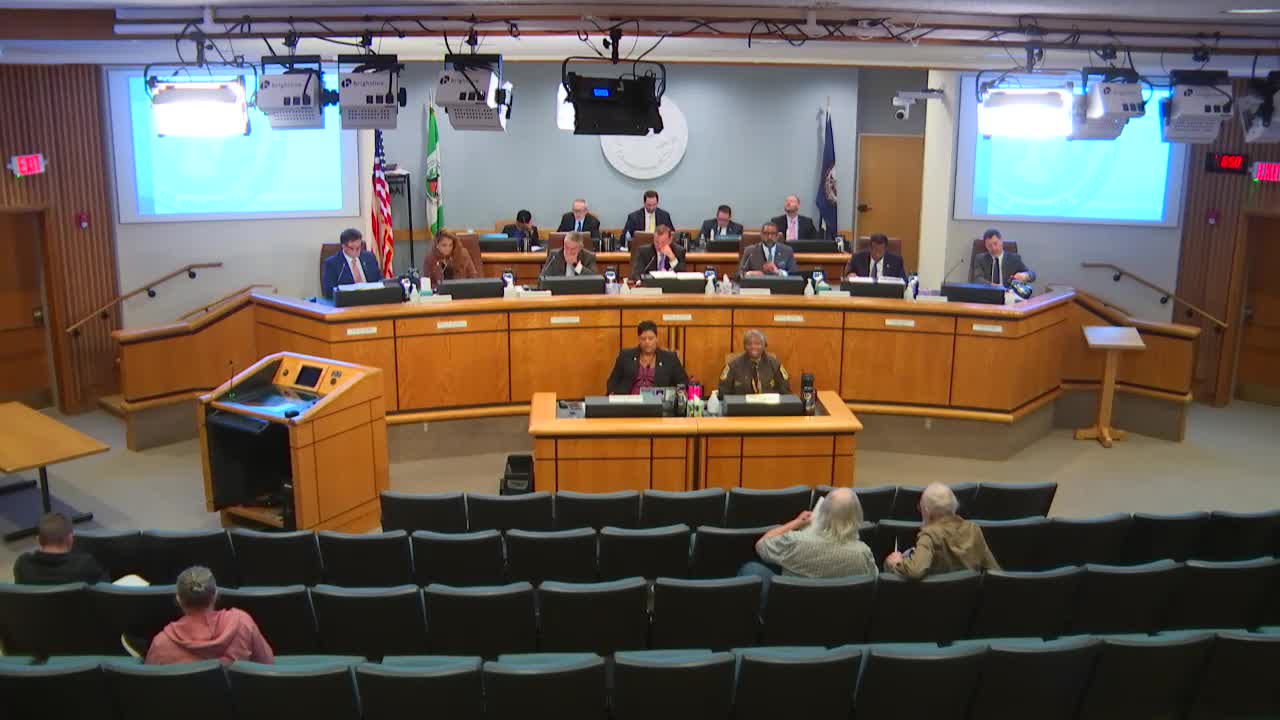
Several community members used the March 11 public comment period to raise concerns about water fluoridation, private well and septic system suitability, neighborhood density and traffic‑calming measures.
Fluoride and consent: Sarah Ramsey told the board she opposes fluoridation of public drinking water and framed her remarks as a consent issue, asserting the practice amounts to mass medication. “Please stop medicating the masses against their will with the hydrofluoric acid commonly known as fluoride. I do not consent,” Ramsey said. The board did not debate or respond substantively to the technical claims; her comments were presented as public testimony.
Wells and septic, housing density: Karen Hamilton, a long‑time Henrico resident, urged board members to consider the experience of households on well and septic systems after a local water crisis and raised concerns about overcrowding at schools and dense apartment construction. She recounted differing experiences with septic failures and cautioned the board about permitting very large houses on wells.
Traffic calming and neighborhood processes: Paul Momquist and Rodney Bailey raised neighborhood concerns about installation of traffic‑calming speed humps on Fenwick Avenue and the process used to authorize them. Momquist said a resident acting as an HOA representative claimed to have authority he did not have; Bailey, a long‑time neighborhood watch leader, said notice to older residents was insufficient and asked for more outreach before final decisions.
Board members acknowledged the comments. The board did not take action during the public comment period, but supervisors indicated staff and the responsible district supervisor would follow up on traffic‑calming procedures and related resident questions.