Get Full Government Meeting Transcripts, Videos, & Alerts Forever!
Get email alerts on the Police Recruitment Retention topic
No spam. Unsubscribe anytime.
Police chiefs and unions say pay, pensions and targeted incentives are key to reversing recruitment shortfall
Summary
Police chiefs, the Police Association of Connecticut and local officials told lawmakers the state faces a recruitment and retention crisis and urged targeted education incentives, restoration of state‑funded basic training and pension/compensation measures to attract and keep officers.
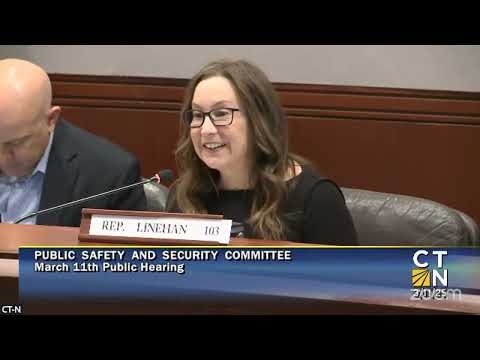
Police leaders, the Police Association of Connecticut and municipal officials told the Public Safety and Security Committee on Tuesday that Connecticut faces a persistent shortage of police officers and urged lawmakers to pass measures aimed at recruitment, training and retention.
Vincent DeMeo of the Police Association of Connecticut, retired chiefs and municipal leaders outlined a suite of items in Senate Bill 14‑92 (the recruitment and retention package) that they said would meaningfully change labor market incentives: tuition support comparable to a GI‑type benefit, reimbursement for academy costs, bonuses targeted to high‑need municipalities, and a program of educational incentives tied to service commitments.
Nut Graf: Witnesses said the shortage is multi‑faceted — lower application volume, higher lateral transfers, and fiscal competition between jurisdictions drive churn. South Central chiefs provided data showing a sharp drop in applicants for regional hiring processes and a substantial share of hires being lateral transfers rather than new recruits. Witnesses argued that a mix of immediate pay improvements and longer‑term retirement and education benefits is required to stabilize staffing.
Law enforcement testifiers also addressed officer wellness: the bill includes mental‑health and physical‑health measures. Several speakers urged caution on proposed measures that would alter bargaining rights or create new mandatory programs, preferring voluntary opt‑in pilots (for example, on phlebotomy training) and state support for post‑arrest medical procedures only where local capacity and legal safeguards are present.
Ending: Committee members pressed witnesses on details — cost, enforcement and equity across municipalities. Witnesses asked for statutory clarification and funding paths to make the package feasible; no committee action or vote occurred during Tuesday’s hearing.