Get Full Government Meeting Transcripts, Videos, & Alerts Forever!
Get email alerts on the Long Term Care Insurance topic
No spam. Unsubscribe anytime.
Seniors tell oversight panel long‑term care insurers' premium hikes need legislative scrutiny
Summary
Policyholders and consumer advocates told the Government Oversight Committee that some long‑term care insurers have sharply increased premiums and that statutory protections tied to an arbitrary 1985 cutoff date should be reconsidered to protect current policyholders.
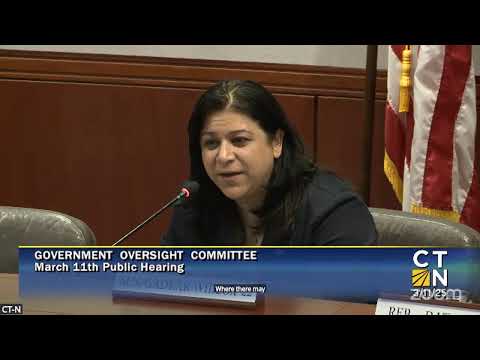
Multiple Connecticut residents and consumer advocates testified on House Bill 7 1 8 3 at the Government Oversight Committee public hearing on March 11, urging lawmakers to review recent premium increases in the long‑term care insurance market.
David Schwartzer, a Newington resident, said HB 7 1 8 3 provides relief for an estimated 100,000 Connecticut policyholders but noted a problematic provision that limits benefits in the bill to policies sold on or before Dec. 31, 1985. Schwartzer argued that such a cutoff is unlikely to benefit current policyholders and urged the committee to revise the language.
Why it matters: witnesses said many long‑term care policyholders are seniors on fixed incomes and that premium increases over the last two decades have been substantial. Jan Kritzman described her family’s experience: premiums that were about $1,000 annually in 2004 have risen to several thousand dollars per year, and insurer buyout offers would pay only a small fraction of the policy value.
Provider/industry context: testimony explained that insurers cite solvency concerns and actuarial assumptions to justify rate requests, but witnesses urged the committee to examine insurers’ broader corporate structures and capital positions — including parent companies and reinsurance arrangements — when reviewing rate filings made to the Department of Insurance.
Next steps: witnesses asked the committee to modify HB 7 1 8 3 language to protect current policyholders and to direct oversight staff to examine insurer capital, reinsurance, and the Department of Insurance’s criteria for approving rate increases.