Get Full Government Meeting Transcripts, Videos, & Alerts Forever!
Get email alerts on the Special Education Costs topic
No spam. Unsubscribe anytime.
Advocates, educators ask committee to study private special‑education tuition and oversight
Summary
Advocates, education groups and some private providers urged the Government Oversight Committee to authorize a comprehensive review of costs for approved private special education placements before adopting caps or rate‑setting proposals.
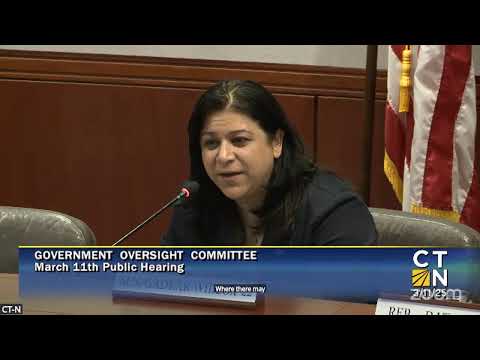
Parents, advocates, educators and some private‑placement providers testified on March 11 that Connecticut needs better data before taking legislative steps to cap or set rates for approved private special education placements.
Andy Feinstein of Special Education Equity for Kids and Orlando Rodriguez of the Connecticut Education Association urged the committee to require a study of the scope, enrollment, tuition drivers and staffing models used by Approved Private Special Education Programs (APSEPs). "We need the basic information about what the universe looks like first," Feinstein said, adding that private placements serve students with very complex needs and that rate‑setting without robust data could force some providers to close.
Why it matters: witnesses said tuition for residential or out‑of‑district placements has risen in recent years and that executive compensation at some providers appears high compared with teacher salaries. Advocates said a study should consider quality of care, differences between nonprofit and for‑profit providers, transportation costs and how vacant slots affect tuition.
Key testimony: CEA pointed to rapid tuition increases in recent years and highlighted executive compensation figures in tax filings as justification for greater transparency. Providers including Adelbrooke Behavioral and Developmental Services cautioned that most APSEPs are nonprofit and that any rate limits should account for program differences and not force placements out of state.
Next steps: testimony generally supported SB 1467’s call for a review. Witnesses urged the committee to ensure the study gathers consistent cost, staffing and outcomes data before policy changes are proposed.