Get Full Government Meeting Transcripts, Videos, & Alerts Forever!
Get email alerts on the Nonprofit Contracts Payments topic
No spam. Unsubscribe anytime.
Providers tell oversight panel state contracts and late payments strain nonprofit health and human services
Summary
Nonprofit service providers and agency leaders told the Government Oversight Committee that flat or delayed contract payments, unfunded mandates and rising operating costs are squeezing organizations that deliver behavioral health, developmental and home‑based services across Connecticut.
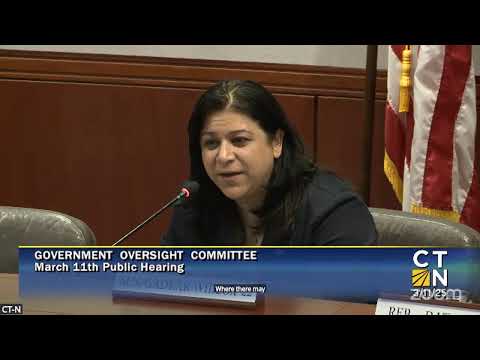
Health and human services providers who contract with Connecticut state agencies described persistent financial stress, staffing shortages and late state payments at the Government Oversight Committee hearing on March 11.
Executives from nonprofit providers including the Kennedy Collective, Reliance Health, Klingberg Family Centers and CMHA said stagnant contract rates and slow distribution of one‑time funds create long carry costs that force organizations to draw lines of credit, reduce staffing and limit service capacity. "We are subsidizing the state of Connecticut," said Rick Sebastian, president and CEO of the Kennedy Collective, describing the gap between reimbursed hourly rates and fully loaded labor costs for high‑need 1:1 services.
Why it matters: witnesses warned that underfunded contracts reduce available services for children, people with intellectual and developmental disabilities, and people with behavioral health needs. Several large providers said they are turning away referrals in core programs because they lack licensed clinicians or the staff to meet contractual requirements.
Key testimony: Reliance Health described a contract delay that left the agency unpaid for more than seven months after a reprocurement; leaders said they covered payroll through other program revenue and credit lines. Multiple witnesses said the state authorized a cost adjustment in the prior budget year but that providers still await receipt of the funds, creating months of carrying costs. Several nonprofit executives urged OPM to perform a systemic review of purchase‑of‑service rates and administrative burdens, and endorsed language in HB 7184 that would direct OPM to examine whether agency rates adequately compensate providers.
Operational consequences: providers reported vacancies of 20–30% and described a national labor market for direct care that requires higher wages; they flagged increased workplace violence, difficulty recruiting bilingual clinicians, and the inability to fill residential slots. Several witnesses urged a requirement that state agencies pay claims within a fixed period after receipt of a properly completed invoice.
Next steps: witnesses asked the committee to direct OPM to review rates, consolidate and simplify reporting burdens, and enforce timely payments. No committee votes were recorded at the hearing.