Get Full Government Meeting Transcripts, Videos, & Alerts Forever!
Get email alerts on the Corrections Search Policy topic
No spam. Unsubscribe anytime.
Testimony urges Connecticut to study body scanners, limit strip and cavity searches in prisons
Summary
State Rep. Anne Hughes and other witnesses asked the Government Oversight Committee to study wider use of body scanners and curb routine strip and cavity searches in state correctional facilities, saying current practices cause trauma and increase use-of-force incidents.
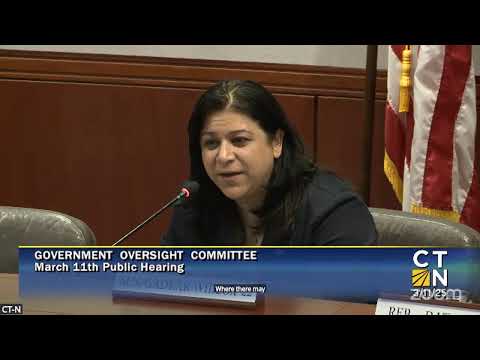
State Rep. Anne Hughes (R-135th) and advocates told the Government Oversight Committee on March 11 that Connecticut should move from routine strip and cavity searches in correctional facilities toward the use of body-scanning machines and other trauma‑informed measures.
Supporters said the state's existing policy is outdated and harms people who are incarcerated and correctional staff. "It is humiliating, abusive, and degrading," State Rep. Anne Hughes said, describing the effect of strip searches on detainees and staff. Hughes cited a Falcon report that, she said, recommended purchasing 26 body scanners for the state's facilities at a cost of roughly $4 million and estimated they could reduce about 250,000 strip searches in one year.
Why it matters: witnesses framed the issue as both a dignity and a safety problem — arguing that frequent, traumatic searches can escalate incidents that then require use of force and create liabilities for the state. Several speakers said body scanners could detect contraband while causing less trauma than visual or cavity searches.
What witnesses said: Christina Guillot, acting child advocate at the Office of the Child Advocate, described frequent strip searches of people under age 22, especially in restrictive housing, and urged use of scanners "to minimize the need for strip searches, especially in those restrictive housing settings where it is a very frequent occurrence." Several people with lived experience, including Deandre Brown, testified about being forced naked and restrained during searches; Brown said, "They stripped me naked forcibly and made me bend over on the bed while a gang of correction officers restrained me."
State ombudsman testimony: An ombudsman who testified said other states have limited cavity searches and adopted scanners. He recommended the bill be strengthened to require DOC to develop a plan and cost estimate for facility‑wide implementation.
Legal and oversight references: supporters pointed to Public Act 23-12 (which directed DOC to review scanners), the federal Prison Rape Elimination Act (PREA) standards, and examples in other states (New Jersey and Illinois) that have limited cavity searches or required warrants in certain circumstances.
Next steps: The committee heard extensive public comment; no formal action or vote occurred at the hearing. Committee members asked DOC and advocates for more detail on costs, machine throughput and where scanners would be prioritized. The hearing record contains written exhibits and agency responses referenced by multiple witnesses.