Delegate seeks to place Blueprint oversight board under State Board of Education; proponents and opponents spar over accountability
Loading...
Summary
House Bill 14 21 would make the Accountability and Implementation Board subject to the State Board of Education. Supporters said the change would improve implementation of the Blueprint; opponents warned it could remove independent oversight of nonpublic providers and slow funding to private pre-K providers.
Delegate April Miller and supporters told the Ways and Means Committee that House Bill 14 21 would repeal the AIB’s status as an independent unit and place it under the oversight of the Maryland State Board of Education. The sponsor said the change aims to improve governance and coordination between the AIB and the Maryland State Department of Education (MSDE) to avoid duplicative guidance and implementation delays that, she said, are harming local school systems.
“While the AIB is strong on the content knowledge of the blueprint itself … there may be institutional and structural gaps in their expertise on the actual impact of implementation at school levels,” Delegate Miller said. Proponents including former education officials and a past CPS school-board president said the move would streamline accountability and help ensure state and local agencies work together to meet timelines and spending requirements.
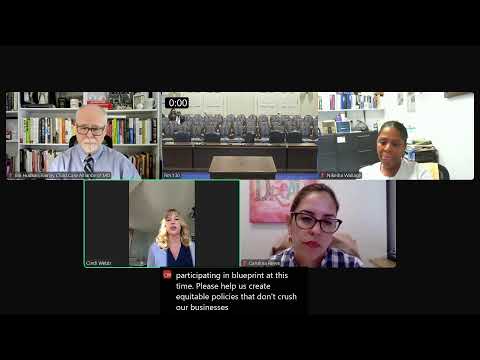
Opponents, including Ruby Daniels of the Maryland State Family Child Care Association, urged the committee to reject HB 14 21. They said the AIB was created to ensure independent oversight across all Blueprint partners — including private pre-K providers and family child care — and that making the AIB subordinate to the State Board could shift control to a single agency and weaken checks on implementation and funding decisions.
Witnesses also said the bill does not alter the Blueprint’s design, but rather its governance. Supporters said the State Board is better placed to ensure AIB accountability and to coordinate responses when school systems face implementation challenges; opponents warned that the change could slow funding for private providers and reduce the independent voice that AIB brings to equity issues.
No committee vote was recorded during the hearing; MSDE and several education stakeholders said they would work with sponsors on amendments and timelines for implementation.