Get Full Government Meeting Transcripts, Videos, & Alerts Forever!
Get email alerts on the Foster Care topic
No spam. Unsubscribe anytime.
House committee advances bill removing firearm-storage requirement for foster parents
Summary
The House Health and Welfare Committee voted to send Senate Bill 1034, which moves foster care firearm-storage rules into statute and removes a requirement that foster parents store firearms and ammunition separately under lock and key, to the floor with a do-pass recommendation.
The House Health and Welfare Committee voted to send Senate Bill 1034 as amended to the House floor with a do-pass recommendation after a brief presentation and a short period of questions.
Representative Judy Boyle, District 9, presented the bill as a measure to move foster-care rules into statute and to delete “the restrictive language about firearms storage if you're a foster parent.” Boyle said the current rule, which requires foster parents to store firearms and ammunition separately under lock and key, “basically disarms the people who are foster parents” and has discouraged prospective foster parents, especially in rural areas where law enforcement response can be 20 to 30 minutes away. Boyle said the Department of Health and Welfare will provide videos for foster parents on firearm safety and storage by age instead of a lock-and-key requirement.
Representative Lucas Kaler described himself as an “avid supporter and protector of constitutional freedom,” saying the bill safeguards Second Amendment rights. Representative McCann asked who decides when a caregiver would be exempted from training; Boyle said the department would make that determination. Boyle also said she did not know the specific criteria the department would use to exempt someone from training.
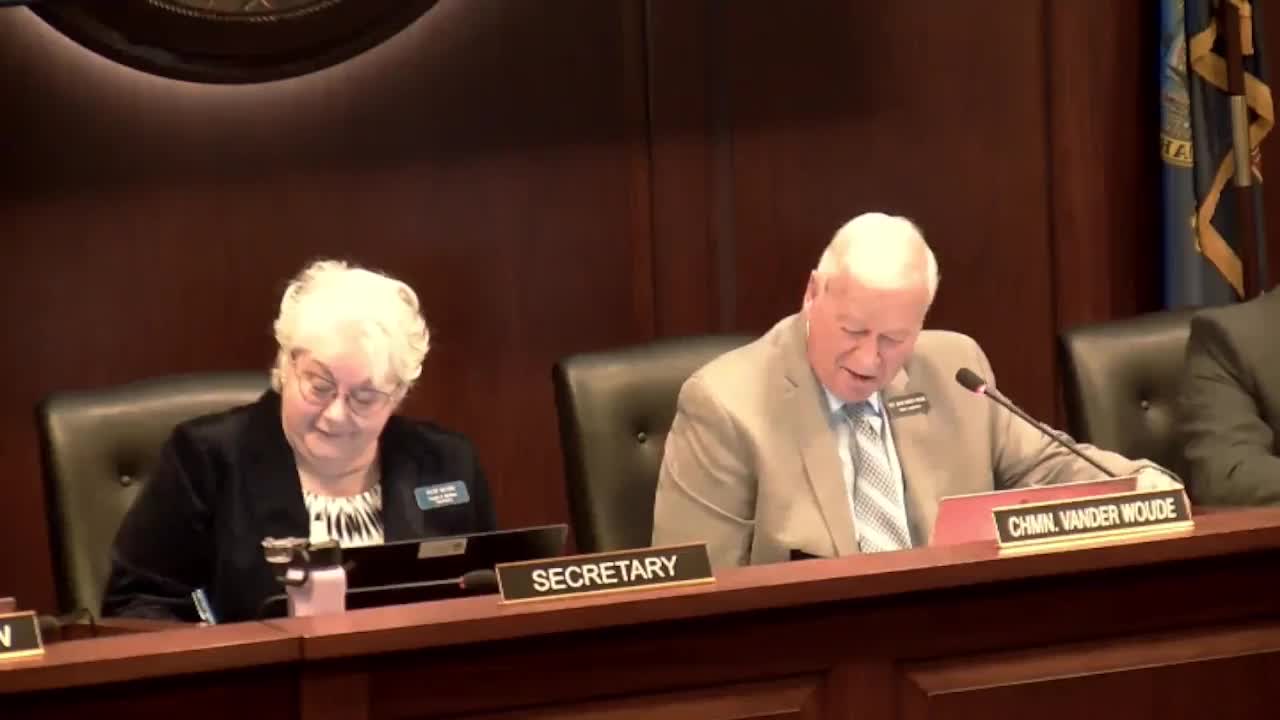
Committee members voted by voice; the chair cast an affirmative vote and the motion passed. The committee record shows the bill was sent to the floor with a do-pass recommendation.
The discussion was limited to the bill’s policy change and how the department would implement training and exemption determinations; there was no formal testimony from community groups recorded in the transcript.