Get Full Government Meeting Transcripts, Videos, & Alerts Forever!
Get email alerts on the Public Health topic
No spam. Unsubscribe anytime.
Board approves public-health technology upgrade, AIS staffing and watershed planning agreements
Summary
The board approved a $36,006.49 public-health conference-room audiovisual upgrade paid from COVID-recovery funds, renewed contracted aquatic invasive species (AIS) inspector staffing, and approved cooperative agreements to proceed with watershed planning and implementation programs.
Koochiching County commissioners on March 11 approved a package of public-health technology upgrades, annual AIS staffing and multi-jurisdiction watershed agreements.
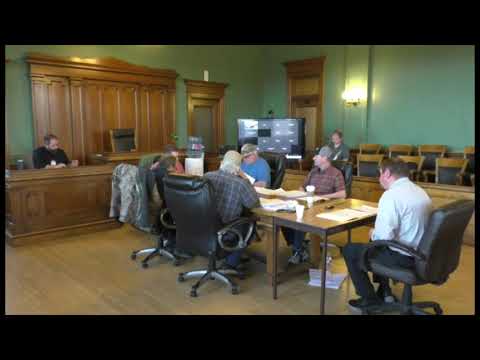
County public-health staff presented a proposal to upgrade a public-health conference room with teleconferencing audio-visual equipment and a three-year parts/warranty option. The project cost presented was $36,006.49 and county staff said the work will be paid fully from state-allocated COVID-recovery grant dollars that must be used at the public-health unit location. The board approved the expenditure; staff said the purchase would include a 55-inch display (replacing a larger screen originally quoted) audio capability for remote meetings, professional installation and an optional three-year warranty for equipment coverage.
The board approved a seasonal-staffing agreement with a staffing firm to provide state-trained AIS watercraft inspectors for the season. The presenter said the firm’s hourly billing rate will be adjusted to match the county’s temporary hire rates approved earlier in the meeting.
On watershed planning, the board approved a memorandum of cooperative agreement to implement the Rainy River–Rainy Lake comprehensive watershed management plan and reaffirmed Commissioner Hill’s appointment to the policy committee with an alternate named. County staff said implementation funding from partners is expected as an ongoing two-year cycle (an estimate of roughly $558,000 every two years was cited in the staff summary) to support plan objectives. The board also approved planning memoranda of agreement to begin the Little Fork watershed plan and the Big Fork watershed plan, appointing commissioners and alternates to their respective policy committees to guide planning priorities.
Commissioners and staff emphasized that the permit and funding agreements are cooperative efforts with cities, soil-and-water conservation districts, and state partners and that policy committees will set priorities for how planning and implementation funds are used.