Get Full Government Meeting Transcripts, Videos, & Alerts Forever!
Get email alerts on the Sudan Health Humanitarian topic
No spam. Unsubscribe anytime.
UN warns North Darfur health system is collapsing as 70% of facilities go offline
Summary
UN humanitarian partners report that more than 200 health facilities in El Fasher are not functioning, WHO says 70% of hospitals and health facilities across conflict-affected areas of Sudan are no longer operational, and attacks on health infrastructure are widespread.
United Nations humanitarian partners reported Tuesday that health services in parts of Sudan, particularly North Darfur, have deteriorated sharply amid continued hostilities, leaving millions without access to care.
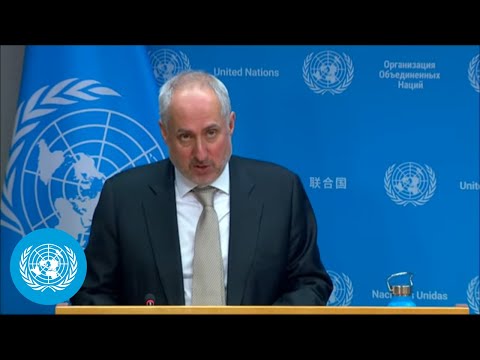
The UN spokesperson said humanitarian partners in North Darfur are reporting an “extremely dire health situation,” with more than 200 health facilities in El Fasher not functioning and severe shortages of medical staff and supplies. Continued hostilities, displacement and access constraints, the spokesperson said, are overwhelming an already fragile system.
The World Health Organization told the UN that roughly 70% of hospitals and health facilities in conflict-affected areas of Sudan are no longer operational, and WHO has recorded nearly 150 attacks on health-care centers since the war began — a figure WHO says is likely an undercount. The spokesperson said the insecurity and constrained access continue to impede partners’ attempts to deliver essential supplies and services.
UN officials appealed again for parties to ensure safe, sustained and timely humanitarian access and to protect civilians and health infrastructure. The briefing also noted disease outbreaks in White Nile state that are deepening the crisis and further stressing health services.
Humanitarian actors said their ability to respond is constrained by access and funding shortfalls; the spokesperson emphasized the urgent need to restore operations at health facilities and to protect medical personnel and patients from further attacks.