Lifetime Citizen Portal Access — AI Briefings, Alerts & Unlimited Follows
Committee reviews bill to set minimum provider fees for Plan Vital; agencies urge financial study
Loading...
Summary
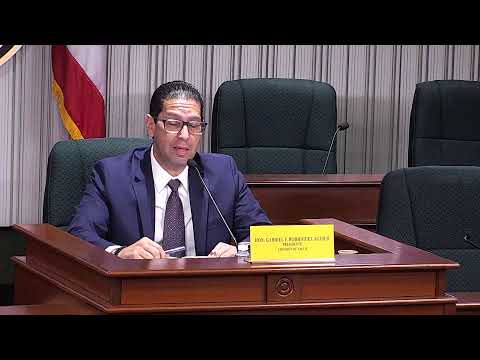
San Juan — Lawmakers on the House Health Committee heard testimony March 11 on Proyecto de la Cámara No. 2, a proposal to require the Administración de Seguros de Salud (ASES/CES) to set a uniform system of minimum compensation for providers participating in the government health plan known as Plan Vital, including a pharmacy dispensing fee.
San Juan — Lawmakers on the House Health Committee heard testimony March 11 on Proyecto de la Cámara No. 2, a proposal to require the Administración de Seguros de Salud (ASES, also referred to in testimony as CES) to set a uniform system of minimum compensation for providers participating in the government health plan known as Plan Vital, including a pharmacy dispensing fee.
The measure would direct ASES/CES to establish minimum payment levels for services such as drug dispensing, laboratory tests and medical devices, require annual statistical reports from insurers to ASES/CES within 90 days of fiscal year close, and authorize the agency to adopt regulations and audits of compensation agreements.
Why it matters: Committee members and agency witnesses said a statutory floor for provider payments could help retain providers and improve access for beneficiaries, but they repeatedly emphasized that any change must comply with federal Medicaid rules and be supported by actuarial and financial studies so the plan remains fiscally sustainable.
Department of Health representative Elisa Muñoz told the committee: "El PDC dos propone modificaciones a la ley ... con el objetivo de mejorar la equidad en la compensación de los proveedores dentro del plan de salud gubernamental." She and other health witnesses said they support the policy aim but that "el éxito de esta medida depende de su viabilidad dentro del marco legal y financiero de Medicaid" and recommended an impact study before implementation.
ASES/CES legal director Giovanni Maisonet explained that ASES already uses actuarial certifications and contractual protections to set minimum payments under the managed‑care model, citing existing requirements such as a minimum payment to primary care of "dieciocho PMPM" and adoption of the Medicare fee schedule at varying percentages for specialties. As Maisonet said in his submitted testimony: "Si bien la intención del proyecto es encomiable, la CES ya tiene implementado un sistema uniforme estandarizado de tarifas de compensación mínima según aprobado por CMS." He warned that formalizing a statutory minimum without flexible language tied to available federal and local funds could create obligations the government could not meet if federal support changes.
DACO (Departamento de Asuntos del Consumidor), represented by Waleska Morales Toro, opposed the measure as drafted and pressed that it would risk shifting business operating costs onto consumers. Morales said DACO's reading was that the bill would permit price‑setting that could be passed to consumers and that the proposed "dispense in fee" (dispensing fee) is not defined in the text. Morales stated for the record: "En Dako ... estamos en contra de esta medida" and recommended clarifying who would ultimately absorb the dispensing fee and defining the term.
Pharmacy and laboratory trade groups urged clarifications. Linda Ayala of the Asociación de Farmacias de la Comunidad supported the bill's intent to ensure fair compensation but asked that ASES review minimums annually and anchor a dispensing fee to existing, documented pharmacy costs. She described common contractual reality with pharmacy benefit managers (PBMs): contracts often pay a dispensing fee ranging from $0.00 up to about $2.50 in Puerto Rico, whereas other U.S. jurisdictions see higher minimums (a figure cited in testimony was $8.30 as an example elsewhere).
José Sánchez of the Asociación de Laboratorios Clínicos said labs appreciated recent improvements—ASES has moved many lab payments closer to Medicare levels—but warned that ASES has historically lacked usable data and that some earlier contracts with actuarial vendors were not fully exploited for validation. Sanchez urged the committee to require transparent, updated data before any new statutory mandate.
Committee concerns and follow‑up: Multiple members pressed agencies for the actuarial analyses supporting current minimums and asked how a statutory requirement would be made flexible enough to survive possible reductions in federal funding. Committee chair (identified in the hearing as President Méndez Núñez) instructed ASES/CES and the Department of Health to provide the underlying actuarial studies and the documentation used to set current tariffs, and to suggest statutory language that would permit adjustments consistent with federal approvals and budget realities. ASES said it could propose amendment language that ties minimums to available funding and to the regulatory process with CMS.
What was not decided: The committee did not vote on the bill. Witnesses and legislators agreed the concept merits further work; several asked staff and ASES to draft amendments addressing (1) an express requirement for actuarial cost studies, (2) clarity about whether dispensing fees are paid by plans or passed to consumers, and (3) language that conditions statutory minimums on federal Medicaid approvals and the plan's funding.
Next steps: The committee will accept written responses and additional data from agencies. Members asked to receive the actuarial certifications and the analyses that produced the current minimums (including the methodology behind the "dieciocho PMPM" payment and the specialty adoption of Medicare fees) for review before further action.
Sources and attribution: Quotes and positions above are taken from testimony submitted and read into the record by Elisa Muñoz (Department of Health), Giovanni Maisonet Cabrera (ASES legal director), Waleska Morales Toro (DACO legislative advisor), Linda Ayala (Asociación de Farmacias de la Comunidad) and José Sánchez (Asociación de Laboratorios Clínicos). Where a speaker used Spanish in testimony, the original Spanish phrasing is quoted verbatim.
Ending note: Lawmakers framed the discussion as preliminary: they signaled support for the policy objective but agreed that precise statutory language and supporting financial work are required before the House moves the bill forward.