Get Full Government Meeting Transcripts, Videos, & Alerts Forever!
Get email alerts on the Humanitarian Aid Gaza topic
No spam. Unsubscribe anytime.
UN: 10-day cargo closure is reversing ceasefire gains in Gaza as fuel and food stocks dwindle
Summary
UN humanitarian agencies warned that a 10-day closure of cargo access to Gaza is undoing progress made during the ceasefire, causing fuel shortages, rising food prices and disruptions to distributions; partners continue limited deliveries when possible.
United Nations spokespeople and humanitarian coordinators warned Tuesday that a 10-day closure of cargo access to Gaza is already reversing humanitarian gains secured during the ceasefire and putting essential services at risk.
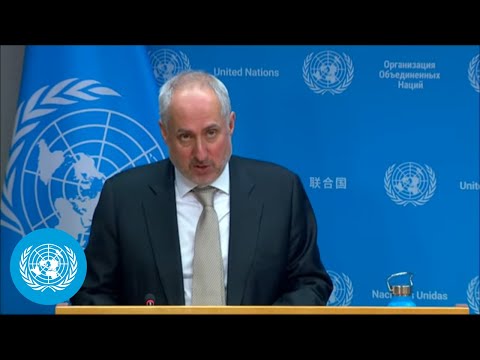
The UN spokesperson said the Karim Shalom crossing has “remained closed for the tenth consecutive day,” preventing UN and partner access to cargo that had entered Gaza prior to the closure and contributing to critical shortfalls of fuel for backup generators, water and health facilities. “Cooking gas prices are rising again, and distribution of flour, fresh produce, and shelter material has been disrupted,” the spokesperson said.
Mohammed Mohammed Hadi, the UN humanitarian coordinator for the occupied Palestinian territory, said in a statement that “the sustained supply of aid is indispensable for the survival of more of over 2,000,000 Palestinians who’ve endured unimaginable conditions for many months.” He urged that the ceasefire hold, that parties fulfill their obligations under international law, that hostages be released and that humanitarian assistance be allowed in again.
The UN and partners reported specific deliveries made under the ceasefire window: UNICEF delivered baby kits to hospitals in northern Gaza and provided CPAP devices to neonatal units; the Food and Agriculture Organization said it had delivered more than 1,000 tons of animal feed as of March 6 to protect livestock and restore food production; and a separate convoy of 31 trucks from the World Food Programme, the International Organization for Migration and the UN Refugee Agency crossed from Turkey into northwest Syria delivering more than 600 metric tons of aid (food, shelter, repair and hygiene kits) — underscoring how fragile supply lines remain across the region.
UN agencies warned that, with cargo access blocked, aid managers must stretch existing stocks, which heightens community anxiety and triggers market reactions. “When you know aid is gonna come in every day, it’s a different situation when you know that no more aid is coming in,” the spokesperson said, noting that scarcity immediately drives up prices for fuel and basic food items.
OCHA and UN partners continue to use every opportunity provided by the ceasefire to deliver available stocks, but they said current constraints mean assistance may not reach all communities in need and that the window for lifesaving deliveries is narrowing.
Absent sustained access, UN officials said, shortages of fuel and medical supplies will degrade essential services in hospitals and water systems and compound protection risks for civilians across Gaza.