Lifetime Citizen Portal Access — AI Briefings, Alerts & Unlimited Follows
Representative of Greece says climate change is intensifying risks to civilians in conflict zones
Loading...
Summary
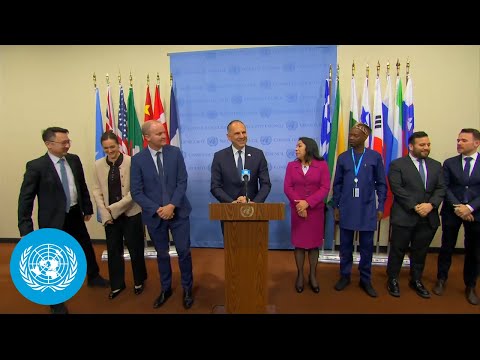
At an open United Nations Security Council debate, the Representative of Greece said climate change is increasing the risks that civilians face in conflict zones and complicating the ability of United Nations peace operations to carry out protection mandates.
At an open United Nations Security Council debate, the Representative of Greece said climate change is increasing the risks that civilians face in conflict zones and complicating the ability of United Nations peace operations to carry out protection mandates.
"Climate change, conflicts, and the protection of civilians are deeply interconnected," the Representative of Greece said, describing how climate impacts can trigger and prolong conflict, increase civilian vulnerability and strain the capacities of state security forces and other mandated actors, including UN peace operations.
The representative told the Council that climate-related impacts ‘‘continue to exacerbate the risk of conflict, trigger and prolong conflicts, as well as increase the vulnerability of civilians, especially those who live in conflict affected areas.’’ The speaker cited several numeric claims made in the address, saying that "10 out of 12 countries that experience the highest ecological threats are in conflict," that "70% of climate vulnerable countries are the most fragile," and that an estimated "20 million people" are internally displaced each year by climate hazards.
The speaker outlined specific protection challenges tied to climate shocks: severe flooding disrupting access to education and increasing risks of recruitment and exploitation of children and youth; mobility and survival challenges for persons with disabilities where infrastructure and services are lacking; and heightened risks of gender-based violence for women and girls who are required to travel farther for water, fuel and income.
The address also focused on operational implications for UN peace operations with protection-of-civilians mandates. The Representative of Greece said such missions ‘‘face growing challenges in implementing their protection strategies due to unpredictable environmental conditions such as floods, mudslides, drought, desertification, and disease outbreaks,’’ and argued that peace operations need more adaptive, climate-sensitive and resilient strategies, including early-warning mechanisms.
On response strategy, the speaker urged prioritizing comprehensive, conflict-sensitive approaches that strengthen community resilience, address root causes of conflict and enhance adaptive capacity, rather than "securitized responses alone." The remarks emphasized multisectoral protection efforts and the need to tailor assistance to the most vulnerable populations.
The transcript contains no record of a formal Council vote, motion or decision related to the remarks in the excerpt. The speech is presented as an intervention in an open debate and included no specific proposal for new Security Council measures or legally binding resolutions in the provided text.
The statement closed with a call for anticipatory planning by peace operations to ensure they can continue core tasks, including protection of civilians, when extreme weather events occur.