Get Full Government Meeting Transcripts, Videos, & Alerts Forever!
Get email alerts on the Alcohol Delivery Policy topic
No spam. Unsubscribe anytime.
Committee hears bill to allow grocery alcohol delivery, delays vote
Summary
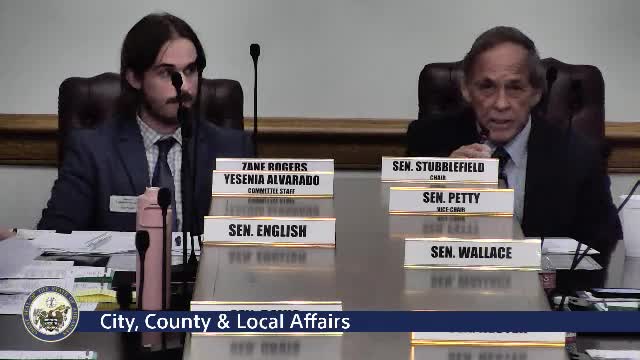
Senator Davis presented Senate Bill 98 to the City, County & Local Affairs Committee — Senate, saying the measure would expand who may deliver beer and wine and establish a third‑party delivery permit overseen by ABC.
Senator Davis presented Senate Bill 98 to the City, County & Local Affairs Committee — Senate, saying the measure would expand who may deliver beer and wine and establish a third‑party delivery permit overseen by the Alcoholic Beverage Control (ABC). The committee discussed training and liability requirements for delivery personnel, county limits for deliveries, and whether national delivery platforms could participate; the committee did not vote on the bill and deferred further action until after the legislative session pause.
“Senate bill 98, just very high level, it does 3 main things. It adds grocery and convenience stores to the list of approved retailers to deliver alcohol… it establishes a third party delivery permit overseen by ABC,” Senator Davis explained to the committee, describing training standards, permit fees and county‑by‑county delivery limits.
Key features discussed: the bill would (1) add grocery and convenience stores to retailers allowed to deliver beer and wine (liquor stores are already permitted to deliver under existing law), (2) create a third‑party delivery permit administered by ABC with fees and training requirements for employees to check age and sobriety, and (3) clarify delivery areas by county (limited to 'wet' counties) and codify responsibilities at the point of handoff so that liability sits with the third‑party delivery provider once items are transferred.
Committee members asked whether national ride‑share or delivery companies could participate. Senator Rice asked, “Does this allow Uber drivers to deliver if they get certified?” Senator Davis replied that an individual driver would be covered only if the driver worked for a company that obtained the required permit from ABC and implemented the training standards. “If they apply for a permit with ABC… then yes,” Davis said, adding that companies such as DoorDash could obtain permits and be held to the delivery training and age‑verification standards.
Senator Rice raised a policy question about youth access and the social effects of making alcohol delivery more common; Davis and other supporters argued the third‑party permit and ABC training program would strengthen age‑verification at the door because the delivery person makes a face‑to‑face check. “That third party… is the one that will knock on the door, see the person face to face, verify that they're 21, verify that they're not intoxicated,” Davis told the panel.
The committee did not take a final vote on SB98 during the meeting. The chair said the committee would resume work after the legislative body reconvened and finish remaining bills then.
Ending: SB98 remains before the committee; supporters said the bill models practices in neighboring states and aims to place training and liability on permitted third‑party providers, while critics warned of broader social impacts and urged careful controls. The committee set no immediate deadline at the hearing and intends to resume consideration following the session pause.