Get Full Government Meeting Transcripts, Videos, & Alerts Forever!
Get email alerts on the Homeless Shelter topic
No spam. Unsubscribe anytime.
DHS and Project Renewal propose 90‑bed women’s shelter at 27 West 11th; neighbors press for details on construction, security and outdoor space
Summary
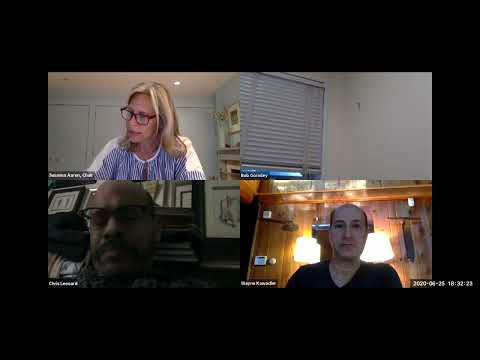
The Manhattan Borough director for the Department of Social Services and representatives of Project Renewal presented plans on the Community Board 2 Social Services Committee’s Zoom meeting for a proposed 90‑bed women’s shelter at 27 West 11th Street.
The Manhattan Borough director for the Department of Social Services and representatives of Project Renewal presented plans on the Community Board 2 Social Services Committee’s Zoom meeting for a proposed 90‑bed women’s shelter at 27 West 11th Street. City and provider officials said the shelter would serve single adult women who are employed or employable and would link residents to on‑site case management, vocational training and housing search services.
Why it matters: The city is pursuing a “borough‑based” shelter strategy as part of a larger Turning the Tide plan to replace commercial hotels with purpose‑built shelters; the proposal would bring a DHS‑contracted shelter into Community Board 2 for the first time in several years and has prompted public comment on building condition, security, outdoor space and neighborhood impacts.
Leilani Irvin, Manhattan Borough Director for the Department of Social Services, said the city’s Turning the Tide review calls for closing many commercial hotel placements by 2023 and opening 90 new purpose‑built shelters. “The women who will be coming to this site will be — this is a employ or employable — they’ll be employed or they’ll be employable,” Irvin said, describing the borough‑based approach and a plan to keep people closer to support networks and services. Irvin said each announced site will have a community advisory board made up of community stakeholders, community‑board designees and elected‑office representatives.
Project Renewal described its planned program and services. Eric Rosenbaum, president of Project Renewal, said the nonprofit serves “over 14,000 people a year” and runs shelters, supportive housing and health clinics. Jody Rudin, executive vice president and chief operating officer, said Project Renewal agreed to operate this site because it is relatively small (90 beds) and would allow the agency to apply its workforce‑development programs directly in a shelter setting. Rudin said the organization expects contract negotiations with DHS and lease work with the landlord before construction begins and estimated roughly two years before the shelter would open.
Project details and use: Project Renewal and DHS said the 90‑bed design responds to occupancy rules that set space and living‑area requirements (Project Renewal referenced so‑called Callahan rules). Officials said the building is landmarked, that renovations will be interior only and that zoning analysis shows shelter occupancy is an as‑of‑right use. The provider said residents would have shared rooms and shared bathrooms rather than private apartments; children will not be admitted and visitors will not be allowed to enter the building except for approved service providers.
Services and case management: Project Renewal outlined an on‑site service model: each resident is assigned a case manager, receives a written service plan, and is referred to a vocational team, occupational therapists and a housing team that will pursue supportive housing, subsidies or market‑rate placements with assistance where appropriate. Kaydon Grenell, Project Renewal vice president of programs, said the social‑services team meets every two weeks to review progress and coordinate referrals.
Security and public‑safety questions: Project Renewal’s director of security, Charles Mulham, described plans to select and oversee a security contractor, to install IP‑based CCTV and to coordinate with the NYPD neighborhood coordination officers. Neighbors asked whether a visible security presence, metal detectors or 24‑hour patrols would be used; the provider said it seeks a balance that does not “criminalize” residents but that it will deploy monitoring, access control and patrols as needed and work with the community advisory board on visible security practices.
Construction, landlord and neighborhood concerns: Multiple neighbors raised concerns about ongoing scaffolding and outstanding building code violations at the Larchmont (the existing building name) and said they wanted clearer timelines and plans for construction, scaffolding and tenant accommodations. Project Renewal and DHS said the landlord has engaged architects and that no major exterior work is planned because the structure is landmarked; they also said the landlord had existing tenants who would be accommodated through the renovation and that the landlord would not begin major renovations until contracts and leases are in place. Officials said they expect lengthy negotiations with DHS over budget and that the actual construction start would follow required DOB and FDNY approvals.
Public comment and next steps: More than 70 attendees joined the meeting. Dozens of neighbors spoke, with a mix of support and practical concerns. Supporters said CB2 should accept responsibility for providing shelter citywide and highlighted the neighborhood’s history of social services; opponents and nearby residents asked for clear plans on backyard use (smoking, noise), exterior scaffolding and landlord compliance. Several commenters urged the board to make a formal comment and asked Project Renewal to return with plans and engage in an ongoing community‑advisory process. Community Board 2 committee members said they plan to draft a resolution that expresses support for the provider while listing neighborhood concerns for follow up; the committee requested that the provider and DHS return with building plans, a staffing model and more specifics about outdoor space and security.