Get Full Government Meeting Transcripts, Videos, & Alerts Forever!
Get email alerts on the Public Safety Traffic topic
No spam. Unsubscribe anytime.
Woonsocket leaders debate cameras, engineering after child struck in school-zone incident
Summary
City council members, the mayor and residents discussed speed cameras, traffic-calming engineering and funding after a recent crash that left a 4-year-old and an adult injured. Council scheduled a workshop to consider options including cameras, raised crosswalks and DOT-funded projects.
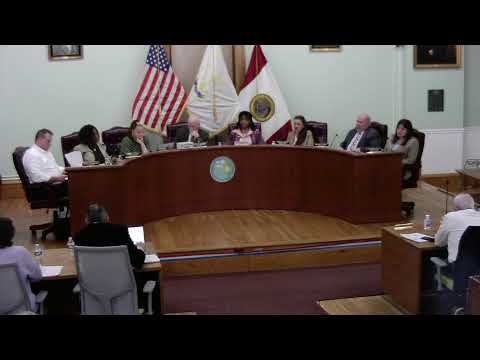
A debate over how best to reduce speeding and protect pedestrians in school zones dominated discussion at the Woonsocket City Council meeting on Feb. 3, 2025, after a woman and a child were struck by a vehicle last week.
Councilwoman Valerie Fox urged a phased rollout of automated enforcement and engineering changes, saying: "When this goes up, it's coming. ... installation, then there's a probationary period, and then the cameras get turned on." Fox told the council that revenue from fines should be placed in restricted accounts to fund transportation improvements in the affected neighborhoods and to help the police department recruit officers.
Mayor Chris Beauchamp, who described visiting teachers and students after the crash, said cameras are one option but not the only one. "I don't know if cameras is the answer, but I mentioned it because it's one of the thoughts ... I've seen them work in other communities," he said, adding that changing driving habits will be key.
Council President Gendron and other members pressed for engineering solutions as the most durable fix. The council president described past local projects that physically reconfigured intersections — adding bollards and forcing pedestrians to use marked crossings — and said such changes "will actually make a difference." Director Pagliarini told council members he is meeting with the Rhode Island Department of Transportation and expects Monument Square/Main Street traffic-calming work could begin this summer, noting the state has allocated $5,700,000 for that project.
Speakers emphasized that automated cameras alone may not prevent tragedies. "Would a speed camera change anything on that tragic day?" the council president asked rhetorically, saying staff and police answered, "no," because cameras only penalize after the fact. Several members and the mayor said immediate engineering interventions — narrowing lanes, raised crosswalks, speed bumps and redirected traffic — would better prevent serious collisions.
Council members agreed to hold a work session to analyze enforcement, cameras, and engineering options and to discuss funding sources, including potential federal and state grants. The chief of police, public works and department directors are expected to participate. The mayor and Councilwoman Fox also urged provision of behavioral-health resources for residents affected by the crash; Fox read contact numbers for Community Care Alliance and other local crisis lines during the meeting.
The discussion followed multiple public comments urging action on Hamlet Avenue and other high-traffic streets. Resident Sean Clark presented NHTSA data and argued for narrowing lanes and adding protected bike and pedestrian facilities. Council members asked staff to present cost estimates and implementation timelines at the forthcoming workshop.