Get Full Government Meeting Transcripts, Videos, & Alerts Forever!
Get email alerts on the Taxation Data Centers topic
No spam. Unsubscribe anytime.
Commissioner of the Revenue asks for staff to address data center growth and business tax compliance
Summary
Commissioner Wirtz told supervisors the county’s growing data‑center portfolio and retail colocation tenants are increasing workload for assessment and business tax compliance; he requested multiple positions including a commercial real estate supervising appraiser, business tax assessor, IT analyst and tax exemptions specialists.
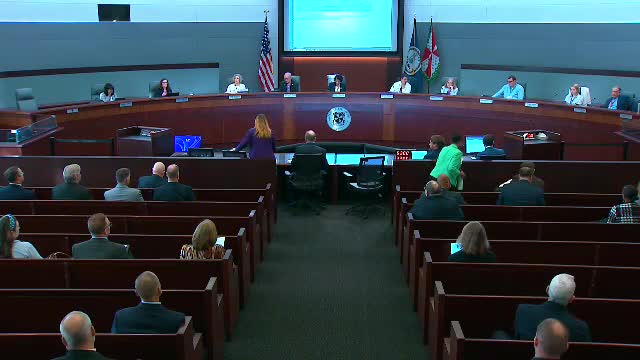
Commissioner of the Revenue Doug Wirtz presented staffing requests and workload context to the Board of Supervisors during Loudoun’s March 10 budget work session, citing rapid growth in the county’s data‑center inventory and rising volumes in veteran tax exemptions.
Wirtz said real estate, business personal property and business license taxes—Loudoun’s “top three” locally administered revenue sources—are projected to generate about $2.5 billion in the FY2026 proposed budget. He described the expanding complexity of assessing large data centers and the equipment within them, saying a single retail colocation data center can host “1,500 customers in 1 particular data center alone.” He said that growth creates a need for additional staff to ensure “fair, equitable, and uniform assessments” and to improve business tax compliance.
The office’s FY2026 requests (as discussed in the session) focus on assessment and compliance and included a supervising commercial real estate appraiser, a business tax assessor, a business tax compliance officer, an administrative manager and an IT analyst to support the assessment software and tax billing systems. Wirtz highlighted that business personal property and business license taxes are self‑reported and that audits frequently yield net additional revenue: “The vast majority net additional revenue,” he said, describing audits as typically increasing assessments.
Supervisors pressed Wirtz on staffing and audit coverage. He said the office currently targets a 30% audit rate for business accounts but reported they are at about 19% with current staffing; he said more auditors would likely increase revenue and compliance over time. Wirtz also raised the growth in veteran‑related property tax exemptions—he said veteran exemptions have grown about 200% in five years—and requested exemption‑processing support to prevent delays in granting mandated exemptions.
Wirtz noted that getting tenant lists and equipment details from colocation operators can be challenging; he referenced a Fairfax County circuit court ruling ordering a data‑center operator to provide customer lists to a locality after refusal. He said outreach and, in some instances, litigation or court orders are used to obtain information needed for assessments.
Next steps: Wirtz said he has space in Leesburg and Sterling offices to house additional staff and that some additional positions might be phased in over subsequent budget years if appropriate training and onboarding capacity exists.