Get Full Government Meeting Transcripts, Videos, & Alerts Forever!
Get email alerts on the Unemployment Insurance topic
No spam. Unsubscribe anytime.
Committee approves simplified referral process for unemployment insurance fraud investigations
Summary
Senate Bill 162 requires the labor cabinet to refer suspected unemployment insurance fraud to the appropriate prosecutor or federal authority and establishes a clearer, streamlined referral pathway; the committee passed the one‑page bill after discussion of due-process and workload concerns.
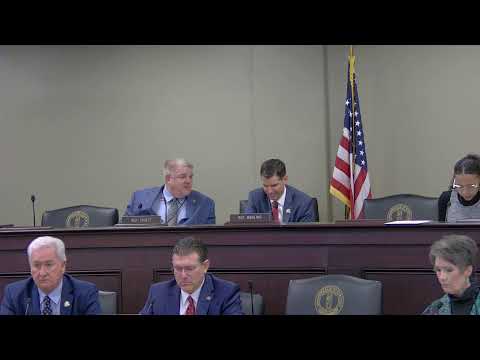
Sen. Shelley Funke (Pro‑Myers) told the House standing committee that Senate Bill 162 is a one‑page bill intended to create a clear referral pathway for suspected unemployment insurance fraud. The bill requires suspected fraud to be referred to state or federal prosecuting authorities and outlines recipients such as the Commonwealth’s attorney, county attorney, the Kentucky Justice and Public Safety Cabinet and, if applicable, the U.S. Department of Justice.
Proponents said the unemployment insurance office is focused on serving claimants quickly and does not always have a standardized process to hand suspected fraud to prosecuting authorities. The bill’s sponsor said the change is meant to deter fraud, protect program integrity and ensure funds reach legitimate claimants.
Several committee members supported the bill’s intent but asked questions about definitions, due process and administrative workload. Representative Layman and Representative Tackett Lafferty asked whether a referral could lead to termination before an individual is found guilty and sought clarity on what “suspected” fraud means in practice. Senator Funke said the bill preserves existing statutory reclaim processes for mispaid benefits and that the bill is intended to create a reporting pathway rather than substitute for investigation or adjudication.
Committee members also raised concerns about potential impacts on state employees whose identities are used in fraudulent claims and asked whether the change could subject an employee to termination before the underlying matter is resolved. The sponsor and members agreed to follow up on language and implementation mechanics; the sponsor said she is open to revisions to strengthen due-process protections while maintaining referral authority.
After discussion, the committee passed SB 162 with the committee’s expression that it should pass. Sponsors said the goal is deterrence and accountability and to provide a standard mechanism for referrals where none was previously clear.