Get Full Government Meeting Transcripts, Videos, & Alerts Forever!
Get email alerts on the Construction topic
No spam. Unsubscribe anytime.
Committee raises construction retainage threshold from $500,000 to $2 million in Senate Bill 76
Summary
The committee approved Senate Bill 76 to amend KRS 371.160 and raise the contract threshold that triggers retainage escrow from $500,000 to $2,000,000, citing inflation and construction cost changes since 1990.
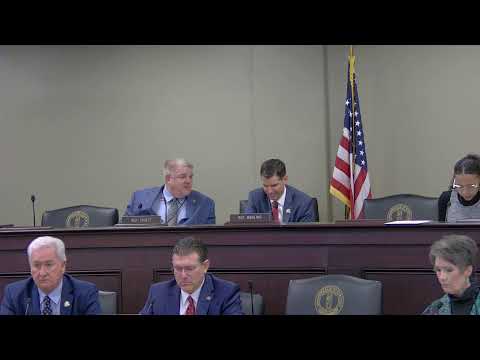
Sen. Greg Elkins and a representative of the Associated General Contractors of Kentucky explained to the House standing committee on economic development that Senate Bill 76 would update a 1990 statutory threshold that governs retainage on construction contracts.
Under current law, a property owner may withhold retainage and place it in escrow when a construction contract exceeds $500,000. Elkins told the committee the $500,000 threshold was enacted in 1990 and does not reflect modern construction inflation. The bill would raise that trigger to $2,000,000.
Richard Vinson, executive vice president of the Associated General Contractors of Kentucky, presented in favor and answered committee questions. Proponents characterized the change as an adjustment to reflect higher project costs and avoid small projects becoming subject to escrow requirements intended for larger projects.
Committee members asked questions and then voted to pass Senate Bill 76 with the committee’s expression that “the same should pass.” The committee record shows the bill passed without substitute amendments.
If enacted, the bill amends KRS 371.160 to change the monetary threshold that triggers retainage escrow for real estate improvement contracts from $500,000 to $2,000,000. Sponsors said the change is intended to align the statute with contemporary construction costs.