Get Full Government Meeting Transcripts, Videos, & Alerts Forever!
Get email alerts on the Higher Education Budget topic
No spam. Unsubscribe anytime.
Northampton Community College presents $81 million budget, cites enrollment gains and modest tuition increase
Summary
Northampton Community College officials told the Bethlehem Area School District board on March 10 that the college’s proposed 2025–26 budget is $81 million, enrollment is up year over year and an across‑the‑board tuition increase would average about 5% overall (3.8% tuition component). Bethlehem’s district sponsorship would rise to about $2.7 m.
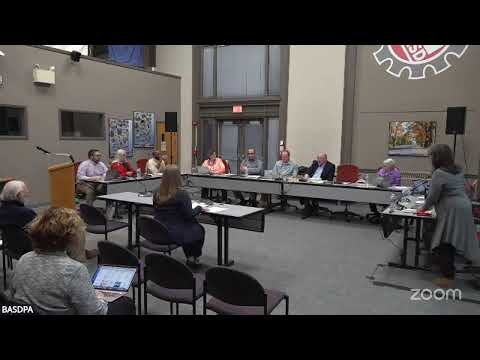
Northampton Community College officials presented the college’s proposed 2025–26 operating and capital budgets to the Bethlehem Area School District Board on March 10, saying the total budget proposal is $81,000,000 and enrollments are trending up.
Jason Loblaw, chief financial officer at Northampton Community College, told the board, “The 25‑26 budget for Northampton is $81,000,000. That's a 2.92% increase over the prior year budget.” He said the college’s credit instructional operating budget (which excludes auxiliaries and noncredit programs) is just under $69,000,000, a 3.15% increase over the prior year, and that tuition and fees make up about 55% of revenues while state appropriations and sponsor districts represent 26% and 11%, respectively.
Northampton representatives said overall enrollments are healthy: fall up 4%, winter up 10% and spring about 6% above the prior year. The presenters said the college serves roughly 30,000 students annually across credit and community‑education programs and noted that nearly one in four Northampton County high school graduates eventually enroll at NCC.
Why it matters: the college’s budget and enrollment trends affect local district sponsor payments and dual‑enrollment opportunities for Bethlehem students. The presenters told the board that Bethlehem remains a major source of students — Northampton said about 36% of sponsor students come from Bethlehem, and the district’s total contribution for operating and capital was reported at about $2,700,000.
Key details and fiscal items: Loblaw said the college is budgeting a tuition increase that amounts to $10 per credit hour for in‑county students (3.8% on tuition alone and “a little over 5%” all‑in, according to the presentation). He also said the college plans a migration from Blackboard to Desire2Learn for its learning‑management system this summer and is moving some grant‑funded programs into the base budget now that grants have expired; for example, a prior $2.7 million grant supporting sonography and respiratory therapy has ended and program costs will roll into operating expenses as cohort years continue.
Board members asked about a drop in dual‑enrollment numbers. The college’s presenters attributed the decrease primarily to timing and student choice; they said some students may be enrolling with other partner colleges and that the college is advocating at the state level for restored funding to expand access to dual enrollment.
Staff and program highlights: presenters noted Northampton’s mix of transfer and workforce programs, residence halls, athletics (including new men’s and women’s wrestling teams), summer theater partnerships with regional talent, and approximately 60 student clubs. The college reported a high post‑graduation success rate: “96 percent of students who come to NCC upon graduation are either employed or continue their education,” a presenter said.
Outlook and next steps: the college said budget adjustments remain possible before a final vote in May, depending on state appropriation decisions and ongoing enrollment updates.