Clinton County RESA highlights CTE growth, student industry credentials and early-college credits
Loading...
Summary
RESA’s career and technical education director updated the board on countywide CTE programs, early middle college credits earned and student industry credentials; several students spoke about their program experiences.
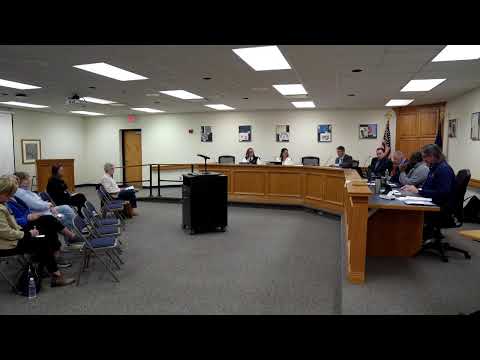
Jennifer Brander, career education director at Clinton County RESA, briefed the DeWitt board on career and technical education (CTE) programs countywide, student industry credentials, and early-college credit production.
Brander said RESA supports 11 countywide CTE programs this year and also provides services to in-district CTE programs such as finance, web programming and family and consumer science. She noted the addition of staff and expansion of programming; for example, an additional sports medicine section was added this year and RESA will offer a second-year sports medicine option that leads toward a certified personal trainer credential.
Brander highlighted that the countywide Capital Region Technical Early College program has grown since its inception and reported that students have earned hundreds of college credits: "we have had students earn 524 college credits at Mid Michigan College, 501 credits at LCC, with a savings to families of over $214,000," she said.
Students from several programs — CAD and design technology, business management entrepreneurship, early childhood education, auto technology and others — spoke to the board about why they chose their programs and how the experiences are preparing them for careers or postsecondary work. Student comments emphasized hands-on learning, professional habits ("If you're not 5 minutes early, you're 10 minutes late," one student said) and work-based learning placements. One presenter said transportation challenges are managed in part by carpooling and school-provided transportation for CTE placements.
Brander also described increased coordination between CTE instructors and district special education staff through lunch-and-learn sessions to better serve students with IEPs in CTE placements.
Ending: Brander said CTE programming continues to grow and thanked DeWitt for hosting the annual career expo; she offered to answer questions and provided contact details for the RESA career education office.