Get Full Government Meeting Transcripts, Videos, & Alerts Forever!
Get email alerts on the School Budget topic
No spam. Unsubscribe anytime.
Pennridge Finance Committee flags $5.7M budget gap; staff outline savings and potential tax options
Summary
District finance officials reported a projected $5.74 million deficit for the 2025–26 budget before a possible Act 1 index tax increase; the administration presented $3.7 million in proposed savings and said a full 4% Act 1 raise would cover about $3.5 million, leaving a remaining shortfall to address before budget adoption.
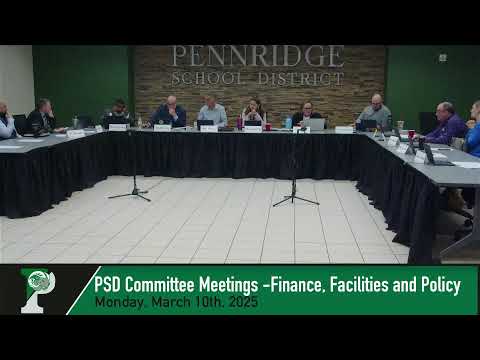
Pennridge School District finance staff told the committee on March 10 that the district faces a projected structural shortfall for the 2025–26 fiscal year and outlined savings already identified and options to close the gap.
"We currently have a deficit budget of $5,740,000, and that number does not include any tax increase, at all," said Sean (finance staff) during the budget presentation. The presentation showed projected revenue of about $160.1 million and expenditures around $165.8 million under the current assumptions, producing the shortfall.
Staff described drivers on both sides of the ledger. On the expenditure side, salary and benefits remain the largest cost drivers: staff asked the committee to account for negotiated salary changes, increases in retirement contribution rates and a projected medical/prescription insurance increase that the administration planned to phase in as part of risk‑management adjustments. The administration said employee benefits and retirement increase were responsible for a large portion of the proposed budget rise.
On the revenue side, staff said local revenue growth has slowed: assessed‑value growth is moderating and earned income tax collections have not collected the increases of prior years. The presentation noted the Act 1 index for the district is 4%; applying the index (a 4% property tax increase under Pennsylvania law) would yield about $3.5 million in additional tax revenue and reduce but not eliminate the shortfall.
Finance staff summarized steps already taken to narrow the gap: retirements and vacancies and departmental reviews have produced roughly $3.7 million in savings and reductions in requested positions; the administration also limited a proposed insurance increase (implementing 18% instead of a 23.5% vendor recommendation) and reduced legal and other line items during budget review. After those measures, the remaining deficit approximate $5.74 million was reduced to roughly $5.7 million and—if the district applied the full 4% Act 1 index—would drop to about $2.2 million.
Staff emphasized the district would prefer a mix of options rather than relying on fund balance or one‑time reserves to close the gap, warning that using one‑time money would not eliminate future structural pressure. Committee members discussed additional savings, potential use of reserves, capital transfer decisions and the role of future state funding changes. Finance staff said they will continue to identify reductions and will return with further proposals before the board's first and second budget votes in May and June.