Get Full Government Meeting Transcripts, Videos, & Alerts Forever!
Get email alerts on the Transportation topic
No spam. Unsubscribe anytime.
Pennridge transportation staff outline bus replacement plan and rising costs in 2025–26 budget
Summary
Transportation leadership told the committee they plan to replace part of the aging fleet — four full‑size buses, two wheelchair buses and two vans — and warned of rising vehicle and insurance costs, driver shortages and greater special‑education transport needs that are inflating next year's budget.
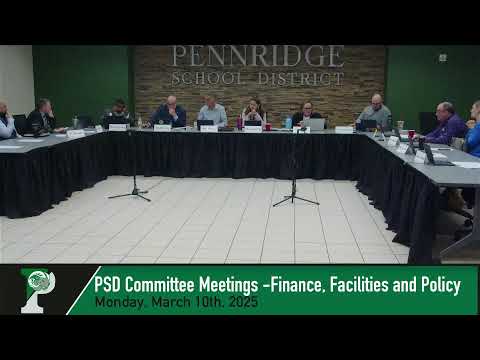
Transportation leaders presented Pennridge School District's 2025–26 transportation budget and a multi‑year vehicle replacement plan during the finance meeting on March 10, saying rising equipment costs and greater service demand are driving a proposed $1.24 million (8.1%) budget increase.
"We have approximately 36 to 37 students with the IU that they're transporting right now," said the transportation presenter, describing students placed out‑of‑district that the district helps transport. She said those runs are often shared with other districts and sometimes require single‑student placements on long routes.
The presentation showed the district currently operates a mixed fleet: 75 full‑size buses (including 13 wheelchair buses), 18 small school buses and nine vans. Staff said replacement costs have increased sharply in recent years — a full‑size bus that previously cost under $100,000 now runs roughly $160,000 — and lead times remain about a year despite improvements since the COVID backlog. Transportation staff proposed capital replacement of four full‑size buses, two wheelchair buses and two vans in the coming cycle.
Staff described operational adjustments made during the regional driver shortage: routes were consolidated from roughly 95 to about 68–69, tiered routing was used to keep service on time, and some buses run long multi‑school routes in the morning and afternoon. The department also outlined technology and contract changes: a new routing system is being funded in part through a bus‑patrol vendor that provides cameras and pays for routing system costs for a multi‑year period, while some prior routing software costs declined.
The department proposed a 70/30 cost split for non‑public (private/parochial) transportation costs versus public routes to account for shared runs, a split staff described as a long‑standing practice tied to state reporting requirements.
On fleet readiness and priorities, staff told the committee the critical immediate need is an additional wheelchair bus next year. "I must have a wheelchair bus for next year," the presenter said. The department said it will prioritize one wheelchair bus purchase if budget constraints require trimming the planned replacements.
Committee members asked about bus acquisition timing, likelihood of further price escalation and how vehicle life is determined. The transportation presenter said the district aims to keep route buses under 10 years to maximize reliability and reimbursement, but that many vehicles now fall in the 10–19 year age range because replacement purchases slowed during the pandemic and costs jumped.
The committee did not vote on the transportation requests. Staff said the department will submit formal bids and capital requests as part of the district's budget process and recommended the board consider the fleet plan during upcoming budget votes.