Get Full Government Meeting Transcripts, Videos, & Alerts Forever!
Get email alerts on the Animal Ordinance topic
No spam. Unsubscribe anytime.
City staff presents working draft to update animal ordinance; council discusses backyard poultry and enforcement
Summary
City staff presented a working draft to revise Bellbrook’s animal ordinance on March 10, proposing definitions, a zoning permit for small livestock (poultry, rabbits), setback rules, limits on sales and slaughter, and enforcement procedures; council asked for clarifications and directed staff to refine the draft for planning review.
City staff presented a working draft on March 10 to update Bellbrook’s animal ordinance, proposing new definitions and limited allowances for small livestock in residential areas with permitting and setbacks.
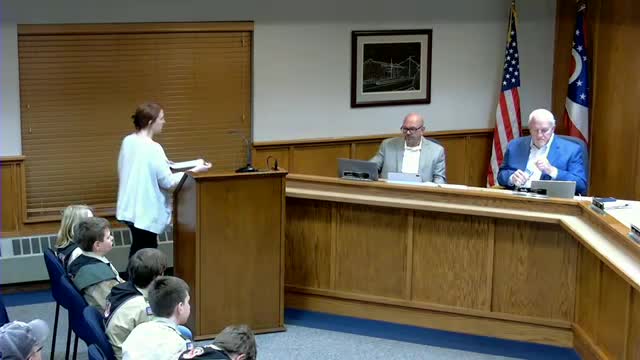
Staff member Mikaela said the draft incorporated prior council feedback and proposed adding a definitions section aligned with Ohio Revised Code terms, renaming the noise standard to "nuisance animal noises," and creating an agricultural/livestock category rather than listing prohibited species. "Staff took the feedback from the various discussions and developed this working draft, to update the animal ordinance," Mikaela said.
The draft would allow certain small livestock and poultry (examples discussed included chickens, ducks, pheasants and rabbits) with specific exclusions (the staff example excluded turkeys, geese and large species such as ostriches and emus). Proposed requirements include no roosters, structures located in rear yards with a suggested 15-foot setback from property lines, and that animals be attended or kept in enclosed structures. Sale of animal products and on-site slaughter would be prohibited except when performed inside the primary residence, and a zoning permit would be required similar to the city’s beekeeping permit process.
Mikaela and council discussed enforcement paths: zoning and code-enforcement processes would address permit and setback violations (7-day warning notice followed by potential property-maintenance proceedings), while animal-control or law-enforcement citations would apply to violations under the animal ordinance that are criminal in nature. Council members also raised public-health questions, including biosecurity and disease outbreaks; Mikaela said she would research health-agency requirements and provide guidance materials and references for permit applicants.
Council asked staff to refine the working draft with a clear definition of "small livestock," to confirm setback dimensions versus standard accessory-structure setbacks, and to prepare a version for Planning Board review. No ordinance vote occurred; the draft remains under review.