Get Full Government Meeting Transcripts, Videos, & Alerts Forever!
Get email alerts on the Boating Dui topic
No spam. Unsubscribe anytime.
Families urge lawmakers to link DUI convictions to boating licenses after preventable crash killed three
Summary
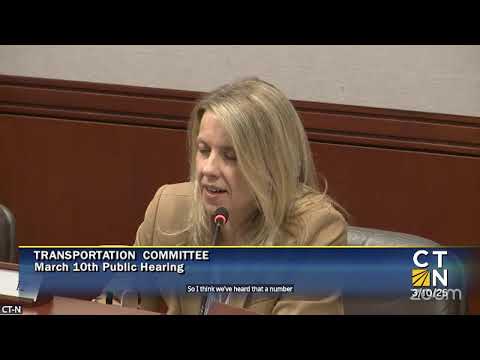
Families of three men who died after their boat struck a breakwater urged the Transportation Committee to extend motor‑vehicle DUI suspensions to boat operators and to require cross‑agency notification so a DUI conviction on land would also restrict waterways access.
Family members of three young men who died when their boat struck a breakwater pressed legislators to close what they called a deadly loophole that allows people convicted of driving under the influence on roads to still operate motorized vessels.
Lede: At a public hearing, bereaved relatives told the Transportation Committee that current rules permit persons convicted of DUI in a car to keep boating privileges, and asked lawmakers to require cross‑notification among courts, the Department of Motor Vehicles and the agency that regulates waterways.
Why it matters: Testimony followed a high‑profile crash that killed three men; witnesses argued the same impaired behavior that endangers roadways also endangers lives on Connecticut waters. "Boating under the influence is just as deadly as driving under the influence," said Michael Scalise, whose son was one of the victims. The families urged the committee to adopt language requiring that DUI convictions be applied appropriately across vessel and motor‑vehicle licensing to prevent similar deaths.
What witnesses proposed: Family members and safety advocates urged that DUI convictions — once adjudicated — trigger administrative suspension of boat operator privileges and that courts be required to notify both DMV and the Department of Energy and Environmental Protection so both motor‑vehicle and vessel licenses can be reviewed. Witnesses also encouraged outreach and education for boaters and consideration of how ignition interlock‑type devices might work on vessels.
Agency and committee response: DMV witnesses said cross‑agency coordination is possible but would require new exchanges with the judicial branch and DEEP; they emphasized that the agency already handles motor‑vehicle suspensions and would need technical and judicial cooperation to extend those actions to vessel licensing.
Next steps: Committee members said they would work with DMV, DEEP and the judiciary to draft workable notification and suspension language and to consult on implementation that respects due process.
Ending: Families said legislative change could prevent future tragedies; lawmakers acknowledged the proposal’s emotional urgency and pledged to review cross‑agency notification and suspension mechanisms.