Get Full Government Meeting Transcripts, Videos, & Alerts Forever!
Get email alerts on the License Suspensions topic
No spam. Unsubscribe anytime.
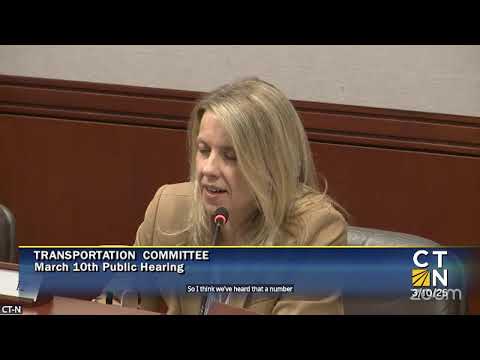
Advocates press Connecticut to stop suspending licenses over unpaid fines; committee hears push for income‑based payment plans
Summary
Advocates, social‑service groups and some legislators urged the Transportation Committee to adopt House Bill 7 1 6 1, ending license suspensions solely for unpaid fines or failure to appear on nonmoving violations and establishing income‑based payment plans; DMV, law enforcement and others urged caution and process safeguards.
Advocates, mayors and social service organizations urged the Transportation Committee to end debt‑based driver’s‑license suspensions for nonmoving violations and to create income‑based payment plans, citing disproportionate impacts on low‑income communities.
Context and testimony: A coalition of advocates — including the Fines & Fees Justice Center, the Connecticut chapter of the ACLU and local nonprofits — described the way license suspensions for unpaid fines can escalate poverty and reduce employment, healthcare access and family stability. “Taking away someone’s ability to get to work and apply for jobs makes it much more difficult to resolve any debt that they owe,” testified Emily King of the Fines & Fees Justice Center.
What the bill would change: The draft would bar DMV from suspending an operator’s license solely for unpaid fines, fees, or failure to appear for nonmoving (non‑safety) infractions. Instead it would require notification, the opportunity to enroll in an income‑based installment plan and procedures to help people resolve debt without losing driving privileges.
Arguments for reform: Speakers repeatedly cited data showing suspensions fall most heavily on residents in certain lower‑income cities (Hartford, Bridgeport, New Haven, Waterbury). “The annual earnings loss associated with a suspended license is approximately $12,700 per person,” said a witness citing research used by advocates. The argument for change: suspensions often reduce people’s ability to work and therefore to repay debt.
Cautions and enforcement concerns: Several police chiefs and some legislators said suspensions remain an important enforcement tool for ensuring public safety in some cases and called for careful drafting of any changes. Chief Rob Rosado, president of the Connecticut Police Chiefs Association, said officers rely on discretion to protect the roadway and urged that judges and enforcement partners retain appropriate tools. Lawmakers inquired about how the court system and DMV would handle installment plans and how to prevent repeat offenses.
Next steps: Committee members signaled interest in refining the proposal, especially the scope (nonmoving violations only), making payment plans feasible inside the court and DMV systems and ensuring public safety is preserved.
Ending: The hearing left clear support in the room for alternatives to suspending licenses for low‑level, nonmoving offenses, but also showed the need for detailed operational rules and court‑DMV coordination before broad statutory change.