Get Full Government Meeting Transcripts, Videos, & Alerts Forever!
Get email alerts on the Homeless Shelters Religious Property topic
No spam. Unsubscribe anytime.
Advocates press bill allowing temporary shelters on religious property; municipalities and building officials urge code clarity
Summary
Supporters said HB 7062 would let faith communities host temporary shelter units and offer fast, low‑cost options for people experiencing homelessness. Municipal officials and building‑code experts urged clarifications on definitions, health and fire code compliance and local control.
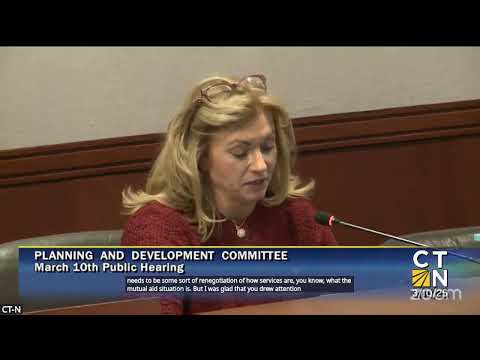
Witnesses at the hearing described House Bill 7062, which would permit temporary shelter units for people experiencing homelessness or refugees on property owned by religious organizations, as a pragmatic tool to expand emergency shelter capacity. Faith‑based organizations, housing advocates and practitioners said many congregations have underused facilities and are already offering seasonal shelter and food services; the bill would give legal clarity and facilitate short‑term housing solutions and conversions of underused institutional land into affordable housing in some cases.
Advocates who testified said the approach can be low‑cost and quick: one New Haven volunteer group described a project that purchased panelized tiny dwellings, installed them in a single day with volunteer labor and connected residents to medical, case‑management and housing‑placement services. Witnesses said the units can be paired with existing building facilities at a church (kitchens, showers and meeting rooms) and that they can provide a pathway into more stable housing for people for whom shelters are not accessible or appropriate.
Municipal officials and representatives of building and zoning enforcement opposed or urged caution, asking for precise definitions of “temporary” (how many days/months/conditions), minimum lot size and how the proposal interacts with local building, fire and health codes. They flagged unanswered questions in the current text: how to enforce occupancy limits, who pays for utilities or wastewater on septic parcels, and whether districts such as historic or wetland overlays would be overridden. Several municipal witnesses said they favor local review and urged the committee to include clear code standards or an approved‑manufacturer list in the bill so building officials can approve units without creating public‑safety risk.
Lawmakers asked about clauses that limit individuals’ stays to 12 months and raised concerns about siting in sensitive areas; advocates said the intent is to provide short‑ to medium‑term housing with wraparound services and that local coordination with regional homeless‑services networks and coordinated entry systems should be required. The committee requested stakeholders craft clarifying language on temporary duration, septic/wastewater constraints, health and fire compliance and relationships with regional homelessness response systems before the bill advances.