Get Full Government Meeting Transcripts, Videos, & Alerts Forever!
Get email alerts on the Towing topic
No spam. Unsubscribe anytime.
Transportation committee hears sweeping complaints about predatory towing; bill would add consumer protections
Summary
Lawmakers heard hours of testimony about nonconsensual towing and voted‑in proposals in House Bill 7 1 6 2 to require photo evidence, a 24‑hour hold for many residential tows, a consumer bill of rights and new local appeal options; the DMV and towing operators urged changes and warned of implementation challenges.
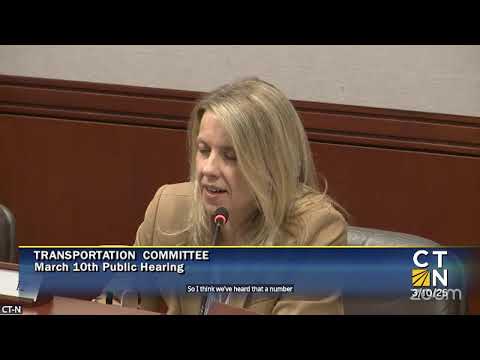
Commission members spent the committee hearing probing how Connecticut should tighten rules on nonconsensual towing after repeated public complaints and detailed testimony from operators, municipal leaders and tenants.
Supporters of House Bill 7 1 6 2 told the Transportation Committee that current statutes allow abusive practices that hit low‑income renters hardest and that reforms are overdue. Representative Lori Sweet, a former Hamden council member who testified, said the bill would require photos, a 24‑hour residential hold, limits on tow distance and improved payment options: "These predatory towing practices are a direct attack on poor people and people who rent," she said.
Why it matters: Tenants and tenant advocates described repeated, costly tows from apartment lots where residents said signage and notice were inconsistent and where towing companies sometimes demanded cash only and charged storage and ancillary fees that far exceeded a vehicle’s value. Several speakers described family and medical hardships caused when a car was taken without timely notice. Mayor Lauren Garrett of Hamden told the committee the local government lacked authority to stop many of the practices locally and backed state reform.
What the bill would do: The draft legislation circulated for the hearing would require clearer posted notice for private lots, mandate photographic evidence showing the reason for a tow, require a 24‑hour hold for certain residential lots before sale or removal, require towing companies to accept multiple payment methods, create a model consumer bill of rights and establish a local‑level hearing officer for disputes. It would also narrow the ability to sell vehicles rapidly and add reporting requirements for towing operators.
What operators said: Towing and recovery businesses argued the draft mixes separate issues and said the industry should be part of an advisory process. Heavy‑duty towers and small operators told the committee that roadside clearance and private‑property towing are different businesses with different cost structures. "These are major pieces of equipment… You need specific pieces of equipment to do that," said Paul Hilario of Hilario Service Center when explaining the cost and safety differences for heavy‑duty recovery. Towing representatives supported consumer protections but opposed provisions that they said would prevent them from doing business or would expose them to unpaid bills if release rules were tightened without a payment guarantee.
Implementation issues and next steps: DMV staff said it supports consumer protections but warned some changes will require new processes and coordination with police and municipal authorities. Commissioners and operators both urged clearer standards (for example, whether a parking space is ‘assigned’ and when a resident may be expected to respond) and a guarantee mechanism when loads or vehicles are released before payment. Lawmakers signaled interest in a working group that includes DMV, towers, municipal leaders and tenant advocates to resolve technical details and to draft final language.
Ending: With widespread public comment in the record and a long day of testimony, committee members said they will continue to refine HB 7 1 6 2 and invited the stakeholder groups to meet before any committee vote. Supporters said the bill is intended to protect tenants from costly, unexpected losses; operators said the work must balance consumer protections with fair compensation and public‑safety obligations.