Get Full Government Meeting Transcripts, Videos, & Alerts Forever!
Get email alerts on the Human Rights Afghanistan Women topic
No spam. Unsubscribe anytime.
Afghan lawyer urges Security Council to hold Taliban accountable for abuses against women and girls
Summary
Azadaraz Mohammed told the U.N. Security Council that since 2021 the Taliban have enacted measures amounting to "gender apartheid," and called for renewed international mandates and legal accountability through the ICC, ICJ or recognition of gender apartheid as an international crime.
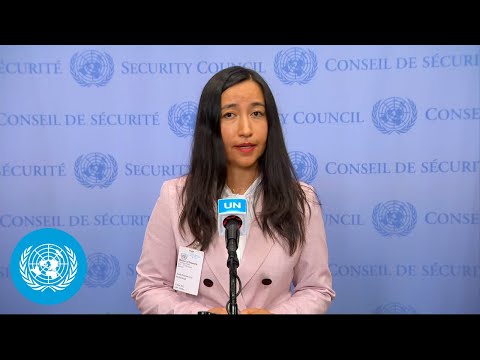
Azadaraz Mohammed, a lawyer from Afghanistan and co‑founder of the Hamdali campaign, told the United Nations Security Council on a briefing that the Taliban have waged an "unrelenting campaign to erase women and girls from public life" and called on the international community to pursue legal accountability.
Mohammed said the measures since 2021 include bans that have left "women are suffocating inside their homes, banned from even looking outside their windows" and that "their voices are silenced. And their very existence is criminalized. This is a system of gender apartheid." He urged the Security Council to "recognize the urgency of this moment and to take decisive action to protect the human rights of women and girls in Afghanistan."
Mohammed said accountability should include renewal of international mandates and legal actions. "Accountability can come through prosecution at the International Criminal Court. Accountability can come through a case brought by states at the International Court of Justice. Accountability can be brought through the recognition of gender apartheid as an international crime," he said.
During a follow-up question, Pamela Falk, a reporter for U.S. News & World Report, asked what Mohammed meant by the claim that international engagement has "emboldened the Taliban" and how that could be reversed. Mohammed replied that some diplomatic missions "have actually handed over the Afghanistan embassies to the Taliban, some unconditionally," and that "support and humanitarian assistance to the Taliban is actually emboldening the system of gender apartheid and gender based persecution in Afghanistan."
Mohammed described a range of abuses he said are used to punish resistance, including "extrajudicial killings, torture, enforced disappearance, public execution," and said those who resist face "brutal violence." He said institutions that "once protected human rights" have been dismantled, leaving "no accountability, no justice, and no future." He said these facts make urgent renewed international action.
The briefing recorded pleas for legal and diplomatic steps but did not record any formal Security Council decision during the session. Mohammed concluded by saying, "Accountability is essential and must not be delayed."