Get Full Government Meeting Transcripts, Videos, & Alerts Forever!
Get email alerts on the Whistleblower And Fraud Bills topic
No spam. Unsubscribe anytime.
Minn. lawmakers advance measures to tighten fraud reporting and expand whistleblower protections
Summary
State representatives outlined House File 3 and an accompanying whistleblower bill to increase Office of the Legislative Auditor follow-up, create a new fraud/misuse category, and extend protections to more state employees, including proposed channels for reporting and limits imposed by Chapter 13 data rules.
State Representative Jim Nash, author of House File 3, told a legislative hearing that the bill would require annual reports based on Office of the Legislative Auditor (OLA) findings to be sent to ranking members of committees that oversee funding, and would give lawmakers more information to check whether internal controls have been met by agencies and grantees.
"House File 3 is an effort to, in many ways, get more out of the information that we already are getting from our OLA reports," Nash said. He said the bill is intended to reduce opportunities for waste, fraud and abuse and that the measure "will be on the floor later today." Nash cited Feeding Our Future and other OLA reports as examples where recommended internal controls were not always followed.
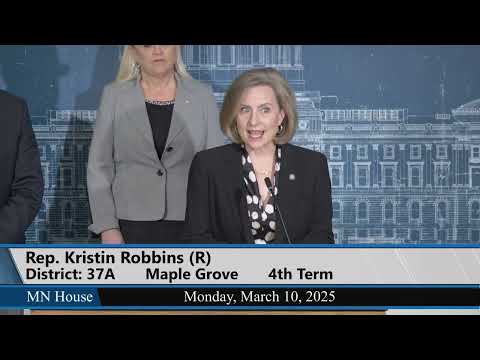
Representative Kristen Robbins, chair of the House fraud committee, described a companion bill to expand whistleblower protections. Robbins said the measure would broaden existing protections to all state employees (including previously unprotected unclassified employees) and create a distinct statutory category for "fraud and misuse" that would allow certain types of otherwise protected data to be reported to additional recipients.
"People are very afraid to point out what they see as real problems in some of the agencies, and they want protection, and we need to provide that for them so that we can clean this up," Robbins said. She said the draft adds governmental bodies and law enforcement to the list of acceptable reporting channels for the new fraud-and-misuse category and that legislators and the OLA remain recipients under current law.
Robbins and Nash said the OLA assisted in drafting parts of the proposal and that the OLA testified favorably in committee. Nash said the bill includes fiscally funded positions that would let the OLA follow up on recommendations rather than relying solely on agency self-attestation: "...now that they would be gaining 2 new people to do this with the fiscal aspect of the bill, would then be able to go and proactively check-in on those things."
Members and questioners raised limits tied to Minnesota's Chapter 13 public-data protections. Robbins explained that while employees can report allegations of fraud to legislators and remain job-protected, Chapter 13 may bar legislators from receiving detailed data (for example, lists of individuals or charge amounts) unless the data are handled under the new fraud-and-misuse provision or sent to an entity authorized to receive Chapter 13-protected information. "Because of Chapter 13 can't receive details that would be protected under Chapter 13," Robbins said, explaining why the new statutory category is being proposed.
Robbins said the bill's draft aligns the fraud/misuse definitions with language traveling in House File 1, an Inspector General measure she said had bipartisan support in the Senate committee. Nash and Robbins said they have discussed the language with DFL lawmakers and committee chairs, and Robbins said she hopes the bills will secure bipartisan support in conference with the Senate.
No formal votes or motions on the bills were recorded on the transcript of this hearing. Nash indicated House File 3 would reach the House floor later in the day; Robbins said the committee planned to offer an amendment defining fraud and misuse and that the measure would be discussed further in committee and conference with the Senate.
Background: the proposals discussed would change reporting and follow-up practices connected to OLA recommendations, expand the statutory whistleblower protections to additional employee classes and recipients, and create a new category for reporting fraud and misuse. Specific statutory text, fiscal details beyond the two OLA positions referenced, and any final vote outcomes were not specified in the transcript.