
Delegates hear lengthy debate on IT overhaul; committee recommends two county positions plus contract work
Get AI-powered insights, summaries, and transcripts
Subscribe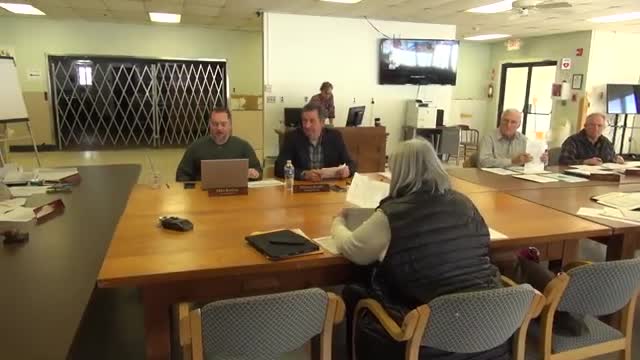
Summary
Carroll County delegates were briefed on a multi‑year IT modernization plan that would replace a 20‑year‑old system. The IT subcommittee recommended funding two county employee positions (an IT director and a help‑desk role) plus contract work rather than three full‑time hires requested by commissioners.
Delegates received an extended briefing about the county's plan to replace a 20‑year‑old information technology system while it remains in operation. The county's IT leaders and the IT subcommittee described the migration as a large, multi‑year undertaking that requires data capture, system design, licensing upgrades and coordinated staffing.
Subcommittee recommendation After meetings and document reviews, the IT subcommittee recommended funding two county employee positions (an IT director role and a help‑desk position) and reserving funding for contract work as required, rather than funding three new full‑time county positions requested in the commissioners' submission. Subcommittee members cited comparative staffing levels at similar counties and an approach that prioritizes in‑house capacity while retaining the ability to bring in contract specialists for one‑time projects.
Debate points Speakers and delegates discussed: - The scale of the migration: officials said the migration requires capturing 20 years of data and careful, phased work while the old system stays operational. - Hiring versus contracting: commissioners and IT leaders argued for three full‑time positions to sustain the new system once in place; the subcommittee favored two county positions and contract funding for temporary needs. The county's acting CIO said that many counties are moving IT in‑house for better control. - Timing and costs: delegates asked for the detailed budget numbers, clarified which line items are one‑time licensing costs (for example, a Windows/Office upgrade), and requested that federal funds be prioritized where available.
Next steps The IT subcommittee said it will supply finalized figures and a transition timeline; delegates asked that the commissioners coordinate final budgeting and that the county prioritize federal funding where available. The recommendation is advisory to the full delegation; the delegation did not approve a final budget for IT personnel at the meeting.
Why it matters The IT modernization affects all county operations, including dispatch, registry, finance and public records. Decisions about staffing and contracting will determine whether the county can operate and maintain the new system in‑house, and how quickly migration milestones are met.