
Annandale board hears detailed plan for Access Learning Academy to expand flexible, credit-recovery options
Get AI-powered insights, summaries, and transcripts
Sign Up Free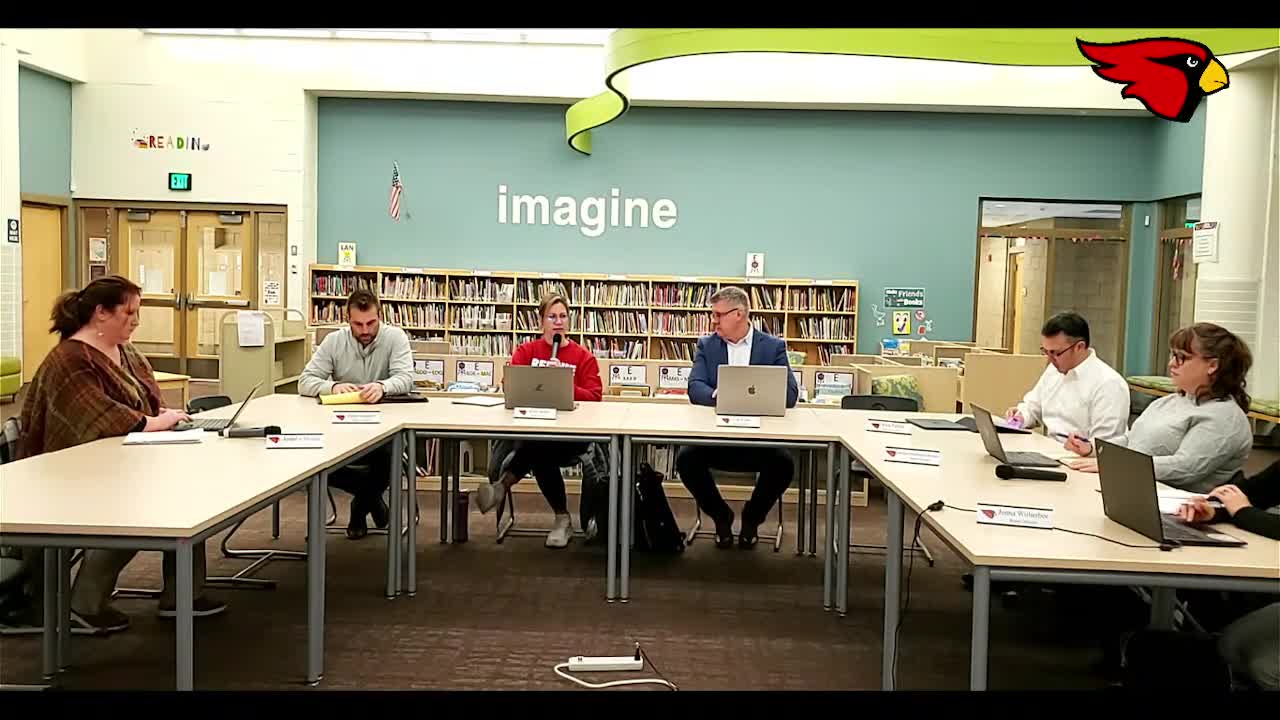
Summary
District staff described a phased plan for an Access Learning Academy (ALA) to offer part‑time and full‑time online and alternative learning options, tie into existing work‑experience programming, and prioritize credit‑deficient students; a grant application and registration steps are underway.
Annandale Public School District staff presented a multi‑part update on the proposed Access Learning Academy, an alternative/high‑school online program aimed at keeping students enrolled in Annandale while offering asynchronous and synchronous course options and targeted supports.
District staff described the proposal as flexible and phased: a small, in‑school cohort (about 15 students) that could expand through use of online coursework (Edmentum licenses) and shared staff time, plus work‑experience scheduling that lets students mix in‑school classes, online courses and off‑site technical training. Staff said the approach emphasizes MTSS (multi‑tiered system of supports) and increased counseling and behavior supports to reduce the risk of students exiting the district.
Staff framed the academy as a way to serve several needs at once: provide credit recovery, create scheduling flexibility for work‑experience students, keep students who would otherwise leave for full online programs, and target supports for students who are at risk of falling behind. Entry criteria listed in the presentation include absenteeism, mental‑health concerns, chemical use, trauma (handled in confidential application material) and credit deficiency; staff said seniors who are credit deficient would be prioritized as a common tiebreaker.
The presentation specified staffing and cost details the board asked about. The district showed a model in which 12 sections correspond to 1.0 full‑time equivalent (FTE) classroom position; the academy as presented represents a roughly 1.33 classroom‑FTE investment plus a 0.33 portion of a counselor position devoted to academy students. Staff said those counseling and behavior‑support positions would also serve Annandale High School (AHS) students and help prevent students from requiring an alternative placement.
Staff gave sample license costs for the recommended online curriculum vendor: roughly $4,600 for about 30 Edmentum seats, about $9,000 for 60 seats and roughly $12,800 for 90 seats, with a la carte purchase possible if enrollment grows beyond a purchased tier. Work‑experience enrollment figures cited in the presentation: 24 students last year and about 36 currently; staff said not all work‑experience students will choose Edmentum but that the figures inform licensing and capacity planning.
Program design choices emphasized flexibility: most families cited time flexibility and personalized learning as the primary reasons for leaving district schools, and many districts the presenter visited favored asynchronous delivery for that reason. The district described a “niche” model (part‑time online options and credit recovery) as a cautious early stage, with the potential to grow into a broader 9–12 academy if demand justifies it. Staff said they expect implementation to be iterative and envisioned the work as a multi‑year rollout rather than a single‑term conversion.
On next steps, staff reported the district’s ALA application is ready and expected to be submitted either that night or the following morning. The timeline in the presentation called for immediate registration steps, a community survey review by the end of the week and continued outreach to families who have left the district. Staff said a grant application to supplement the district’s investment is due March 7, with feedback expected before April and an uncertain award date thereafter.
“We’re getting there,” the presenter said when summarizing early community responses, and relayed one piece of feedback as, “somewhere between clear as water and clear as mud,” meaning stakeholders are still parsing how the three program components interrelate.
Staff also described operational options the board had asked about: summer‑school and night‑school credit‑recovery approaches (district staff previously ran summer school for ninth and tenth graders and plan to expand to ninth through 12th this year), possible stipend/overload pay for teachers who supervise small online groups, and partnerships with Wright Tech for students who split time between programs.
No formal vote was taken on the Access Learning Academy during the update; the presentation closed with staff asking for continued board input and signaling the district will move forward with registration and the grant application regardless of the grant outcome.