Get Full Government Meeting Transcripts, Videos, & Alerts Forever!
Get email alerts on the Capital Improvements Budgeting topic
No spam. Unsubscribe anytime.
Greene County officials prioritize water projects and deferred maintenance as budget season nears
Summary
At a joint Greene County Board of Supervisors and Planning Commission workshop, staff and elected officials said a multiyear water project remains the top priority in the capital improvement plan, while other deferred maintenance needs — courthouse HVAC, vehicle replacement and social‑services facility work — were flagged for near‑term attention.
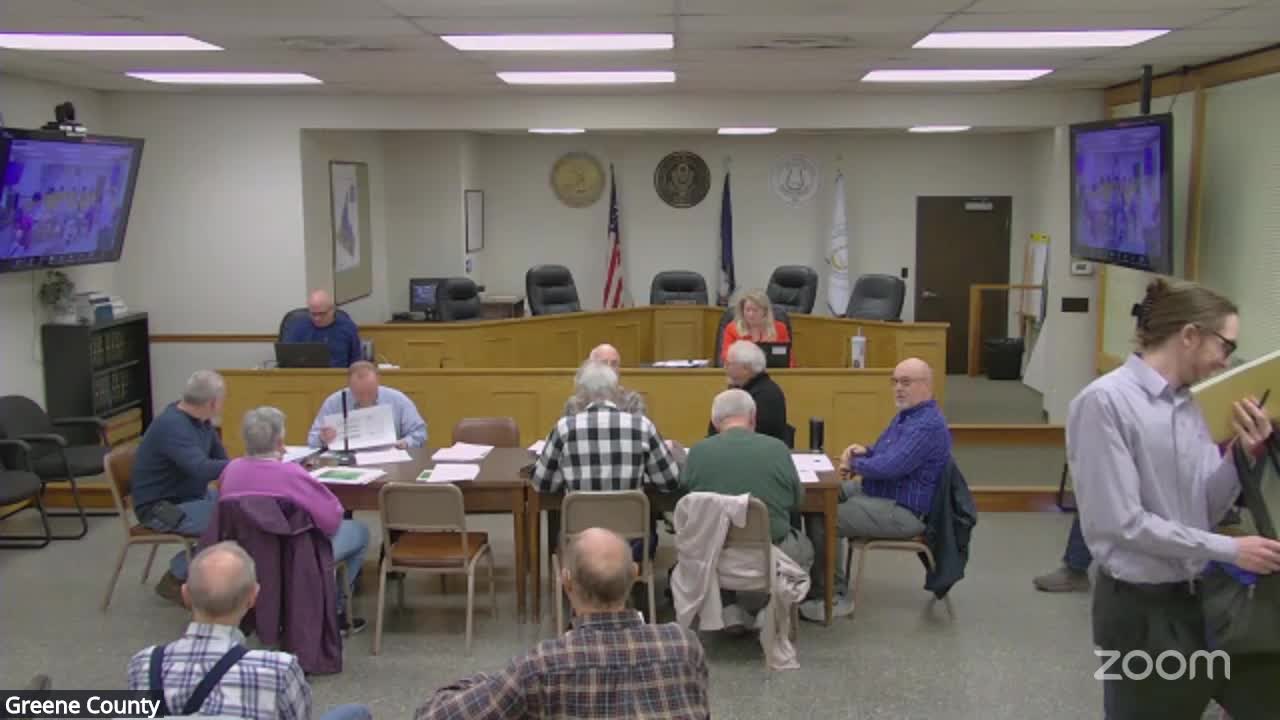
Greene County officials opened a joint workshop with the planning commission to review the county's five‑year capital improvement program and set budget priorities for the coming fiscal year. Staff told the group the county's total list of capital requests is roughly $112 million, of which about $105 million is for a multiyear water project, leaving roughly $7 million in discretionary priorities for the general fund and grants.
The workshop was presented as a planning discussion rather than final action. A county staff presenter said the purpose of the meeting was to provide direction to the commission so it can draft a CIP, hold required public hearings and present a recommended plan to the Board of Supervisors ahead of the annual budget process. "The legal basis for [the] capital improvements plan is Article 5, Section 15.2‑2239 of the Code of Virginia," the staff member said.
Why it matters: the CIP organizes large projects, signals to grant makers that the governing board supports a project, and helps space projects to match anticipated financing. County staff emphasized that adoption of the CIP is a planning commitment, not a binding contract to spend specific sums in a given year.
Workshop discussion centered on three practical priorities: finishing required water and sewer work; addressing deferred maintenance including the courthouse HVAC and roofing; and preparing for vehicle and equipment replacement. Officials noted several items already have identified funding or anticipated grants, which the staff said would be refined as the budget process proceeds.
Several supervisors and planning commissioners urged that projects tied to regulatory orders or potential enforcement should take precedence. Staff noted some water/wastewater work is subject to state consent orders and is being funded with state loans. Other projects identified as likely to receive outside funding were parks and public safety items where grant applications are either pending or expected.
Participants also discussed a proposed approach to set aside a portion of any year‑end unrestricted funds into a capital savings account and a more robust managed reserve to smooth future capital needs and guard against staff burnout from frequent one‑off projects. Staff said the board would determine specific percentages if it agreed to that strategy.
Next steps: staff will continue to refine cost estimates, identify likely grant matches and return to the Board and Planning Commission during the formal budget and public hearing cycle in the spring. No formal votes were taken at the workshop; the meeting served to inform staff work and the commission's upcoming CIP recommendation.
Ending: County staff summarized the workshop and asked the commission to keep the identified projects on the master list so they can be further scoped and prioritized as grant and budget details become clearer.